

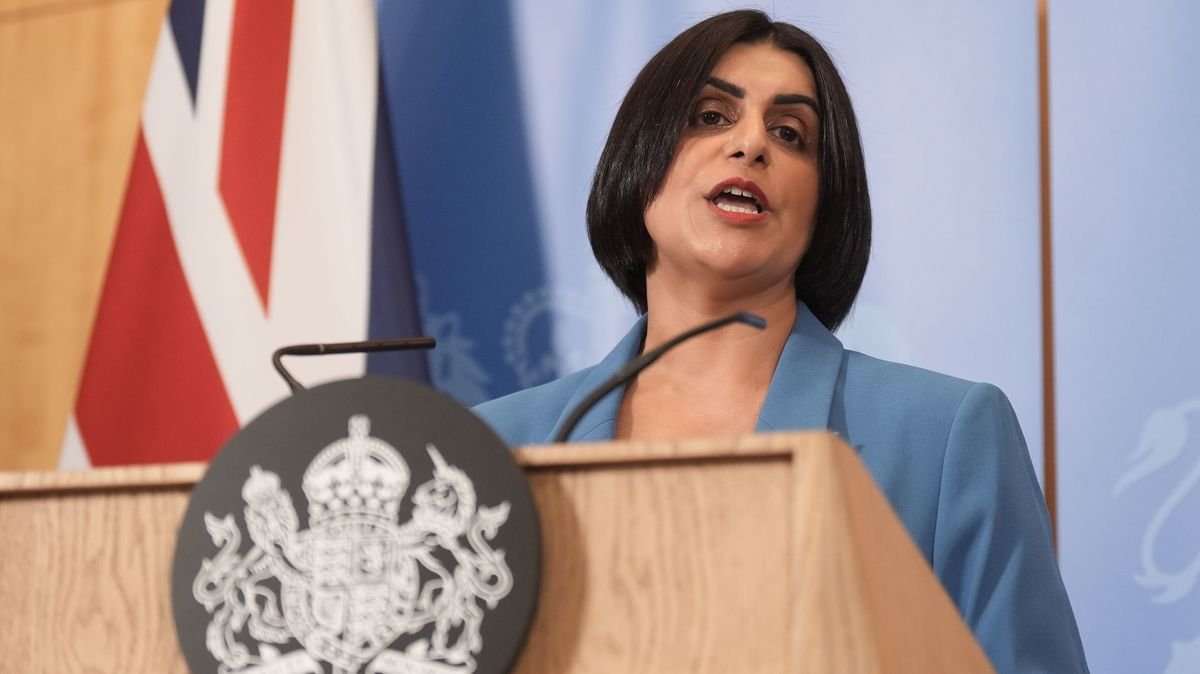

Furious Labour members of Parliament are gearing up to initiate a decisive vote in the House of Commons in protest against contentious migration policy amendments that have caused a rift within the party.
The MPs are urging Home Secretary Shabana Mahmood to abandon the proposal to double the standard qualification period for indefinite leave to remain (ILR) for individuals already residing in the UK. This move has been strongly criticized as “un-British” by former Deputy Prime Minister Angela Rayner.
In response to the backlash, Environment Secretary Emma Reynolds stated that the government is adopting a cautious and fair approach following the criticism from Rayner. Over 100 Labour MPs have penned a letter to Keir Starmer, urging a reevaluation of the proposed changes.
Mahmood defends the changes, emphasizing that the revised rules, which would require individuals to wait an average of 10 years instead of five, aim to promote fairness. The plan includes provisions for accelerated settlement for migrants who actively contribute to their communities. Nevertheless, critics argue that altering the regulations for current residents is unjust.
In an unexpected twist, Conservative leader Kemi Badenoch pledged her party’s support for the measures in case of a government rebellion. The Home Office clarified that no legislative action would be necessary to implement the new policies, potentially bypassing a parliamentary vote.
Despite this, Labour insiders are exploring parliamentary procedures to orchestrate a symbolic vote, highlighting the internal divisions within the party. Reynolds confirmed that the Home Secretary will address the outcome of a public consultation before making any final decisions, amidst speculations of a potential retreat from the proposed changes.
The government disclosed receiving over 200,000 responses regarding the proposed amendments. Reynolds emphasized the importance of a well-considered approach to address the complexities of the issue, acknowledging the public’s desire for a fair and regulated immigration system in the UK.
Rayner, a potential candidate in a future Labour leadership contest, condemned the ILR adjustment as poor policy and a betrayal of trust. However, recent polling by More In Common revealed that 50% of the public supports Mahmood’s propositions, with 22% undecided.
The Home Office projects that without intervention, approximately 1.6 million individuals could attain permanent settlement by 2030, following a surge in net migration under the Conservative government.
Currently, migrants become eligible for settled status after five years, granting access to public services like the NHS without surcharges. Mahmood’s proposal seeks to extend this period to 10 years, with exceptions for NHS workers, high earners, and volunteers, while imposing penalties on those who claim benefits or entered the country illegally.
When questioned about the government’s stance, Communities Secretary Steve Reed emphasized the commitment to implementing an immigration system that aligns with the country’s interests and is equitable for asylum seekers. The government is currently seeking public feedback through consultations, with the Home Secretary expected to announce the consultation’s outcomes in due course.
Labour backbencher Nadia Whittome warned that the Home Secretary’s proposal is leading to a clash with MPs, indicating potential parliamentary votes on certain aspects of the policy. Whittome highlighted the disagreement within the party regarding the government’s approach to immigration issues.