

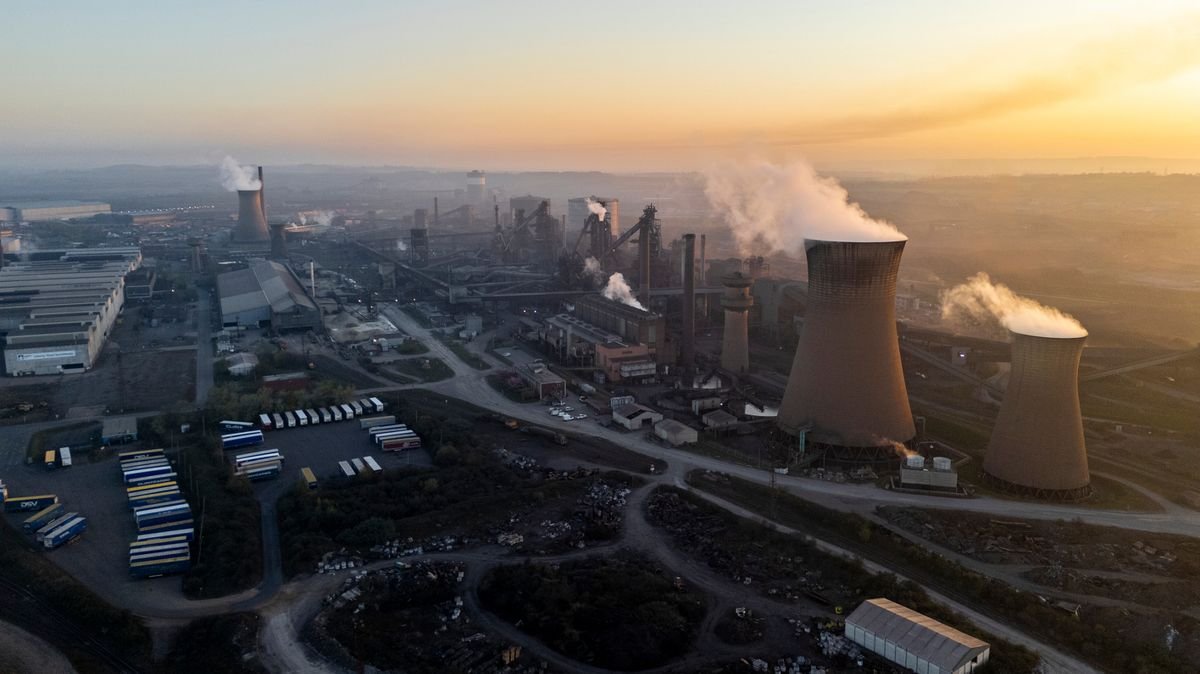

Keir Starmer pledges to sustain steelmaking for future generations with the introduction of a groundbreaking Steel Strategy. The Government aims to increase the domestic production of steel from the current 30% to a target of up to 50%, benefiting steelworkers nationwide. Peter Kyle, the Business and Trade Secretary, announced the strategy at Tata Steel Port Talbot, emphasizing its significance in supporting crucial UK sectors like infrastructure, defense, and clean energy.
The Steel Strategy, which comes with funding of up to £2.5 billion, includes reducing steel import quotas and imposing higher tariffs of 50% on imports exceeding the quotas. This initiative is designed to safeguard the UK steel industry’s future amidst global oversupply challenges. Prime Minister Boris Johnson highlighted the importance of utilizing more British steel to boost the economy and ensure the longevity of the steelmaking sector.
Ministers have issued warnings about the potential jeopardy faced by the UK’s steelmaking capabilities if immediate action is not taken. The nation’s reliance on foreign suppliers for essential materials threatens energy security, defense, and transport infrastructure. The campaign to Save Our Steel, initiated by the Mirror in 2015, has been advocating for the preservation of the UK’s steel industry.
Peter Kyle emphasized the critical role of UK steelmaking in national security, infrastructure, and the economy. The Steel Strategy marks a shift towards supporting key industries and strengthening Britain’s position as a steel-producing nation. Additional measures in the strategy include facilitating the involvement of steel manufacturers in Clean Industry Bonus applications for offshore wind projects and ensuring a sustainable supply of scrap metal for UK steelmakers.
By implementing these strategies, the government aims to enhance productivity and competitiveness in the steel sector for a sustainable future.