

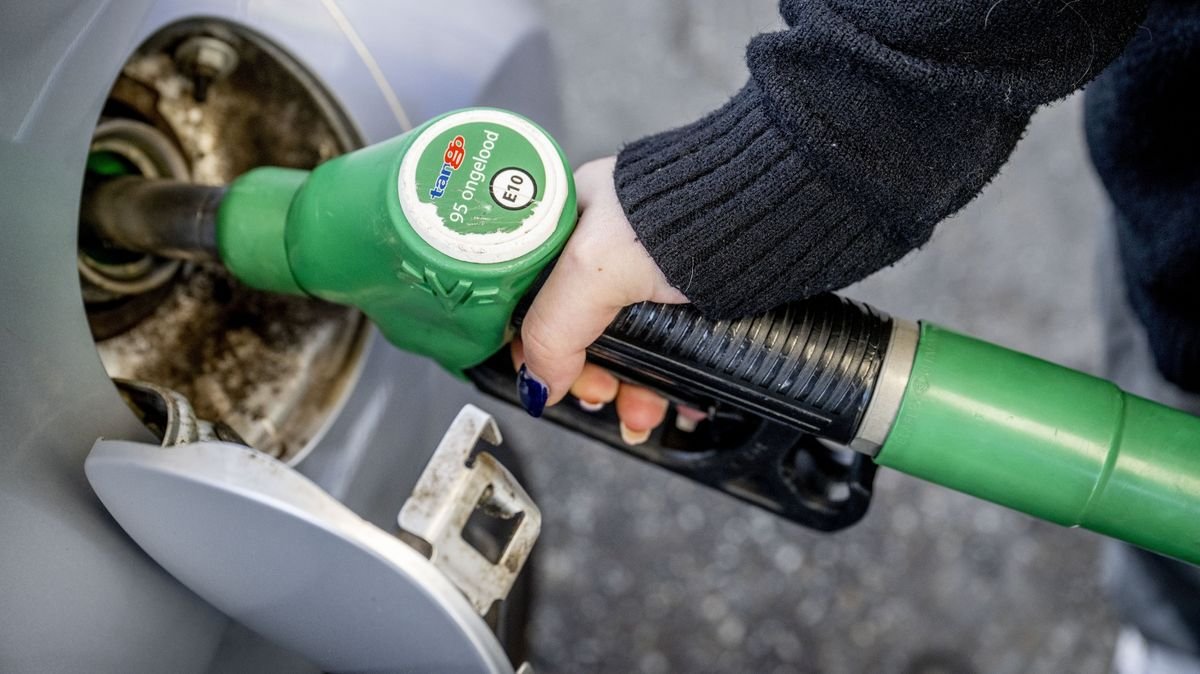

Fuel companies are under scrutiny as the government’s cost of living advisor criticized some for their excessive pricing strategies. Chancellor Rachel Reeves and Energy Secretary Ed Miliband are scheduled to meet with industry leaders to emphasize a zero-tolerance stance on profiteering from oil price hikes.
Richard Walker, the head of Iceland supermarket chain and the government’s cost of living champion, expressed strong disapproval of companies exploiting the situation. He emphasized the need to confront energy firms and fuel retailers about unjustifiably high prices, stressing the importance of regulatory accountability in safeguarding consumer interests.
The average price of unleaded fuel has surged to 140.15p per liter nationwide, marking a significant increase since the conflict’s onset. Diesel prices have skyrocketed even further, reaching 158.23p per liter. This spike in fuel costs coincides with oil prices stabilizing around $100 per barrel due to heightened tensions in the Gulf region, particularly from Iran’s aggressive actions against infrastructure and shipping.
Ed Miliband hinted at potential government intervention, including direct assistance or extending the freeze on fuel duty, if the conflict persists. He also rebuked calls to dilute environmental targets, emphasizing the necessity of sustainable energy sources for long-term stability amid the crisis.
Amid concerns of escalating energy expenses contributing to inflation, mortgage rates have surged to a near 12-month high, with the average five-year fixed-rate mortgage standing at 5.19%. The availability of fixed-rate deals has dwindled significantly since the conflict-induced turmoil began, exacerbating financial challenges for borrowers.
The Bank of England is anticipated to maintain its base rate in light of the crisis, a departure from previous expectations of a rate cut. Economic uncertainties loom as experts fear a potential slowdown in the UK economy or the looming specter of recession, especially considering stagnant growth prior to the conflict’s impact.
Despite efforts by the International Energy Agency to stabilize oil markets through a record release of reserves, oil prices continue to climb, with a 10% increase projected for the week. Iran’s threats of $200 per barrel oil prices and Russia’s substantial earnings from oil exports amidst the conflict underscore the global repercussions of the ongoing crisis.
As President Putin’s costly war in Ukraine persists, Russia’s substantial daily earnings from oil exports contrast sharply with Gulf states’ significant revenue losses from disrupted energy markets. The blockade of oil shipments through the vital Strait of Hormuz has fueled demand, benefiting certain oil-producing nations while destabilizing global energy markets.