

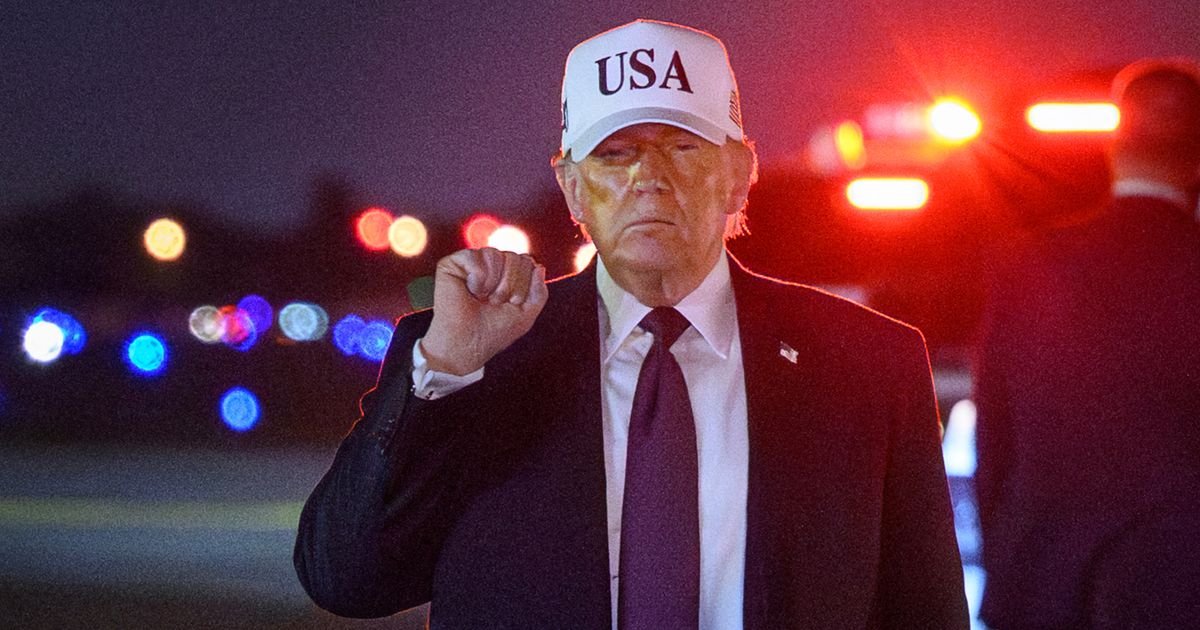

It’s been tempting to ridicule Donald Trump for his unrealistic speeches as a comedic sideshow. However, the ongoing turmoil and devastation in the Middle East and concerns about the potential catastrophic implications of the escalating conflict make it a serious issue.
Last week, a social media compilation featuring Hollywood celebrities proclaiming justice through American actions while bombs continued to fall on Iran, resulting in casualties and widespread fear, drew criticism. Actor Ben Stiller, whose film was included in the video, demanded its removal, expressing disapproval of being associated with propaganda and emphasizing the gravity of war.
The video, characterized by immature and aggressive behavior, came after the tragic deaths of 160 schoolgirls in Iran and six American military personnel. It followed bellicose statements by Peter Hegseth from the White House Department of War, boasting about overwhelming the Iranian regime and emphasizing the unfair advantage the US holds in the conflict.
The dehumanization of the Iranian people and the demonization of their actions as barbaric are common tactics used to justify aggression. This contrasts sharply with the treatment of US citizens by government agencies, raising questions about the double standards and narratives used to justify military actions.
Sir Keir Starmer received both criticism and praise, with recognition for his stance against involvement in the Iran conflict. General Sir Richard Shirreff dismissed concerns about the Special Relationship between the US and UK being under threat and criticized media pressure on Starmer to align with Trump’s policies.
While European leaders have at times sought to appease Trump, recent events, such as threats of tariffs and disagreements over military actions, have strained relations. Spain’s Prime Minister rejected the strikes on Iran as reckless and illegal, echoing Starmer’s preference for dialogue over military intervention.
In the face of escalating tensions, maintaining diplomatic channels and avoiding military escalation is crucial. Starmer’s decision to prioritize dialogue over military action reflects a commitment to peace over confrontation, recognizing the grave consequences of war.