

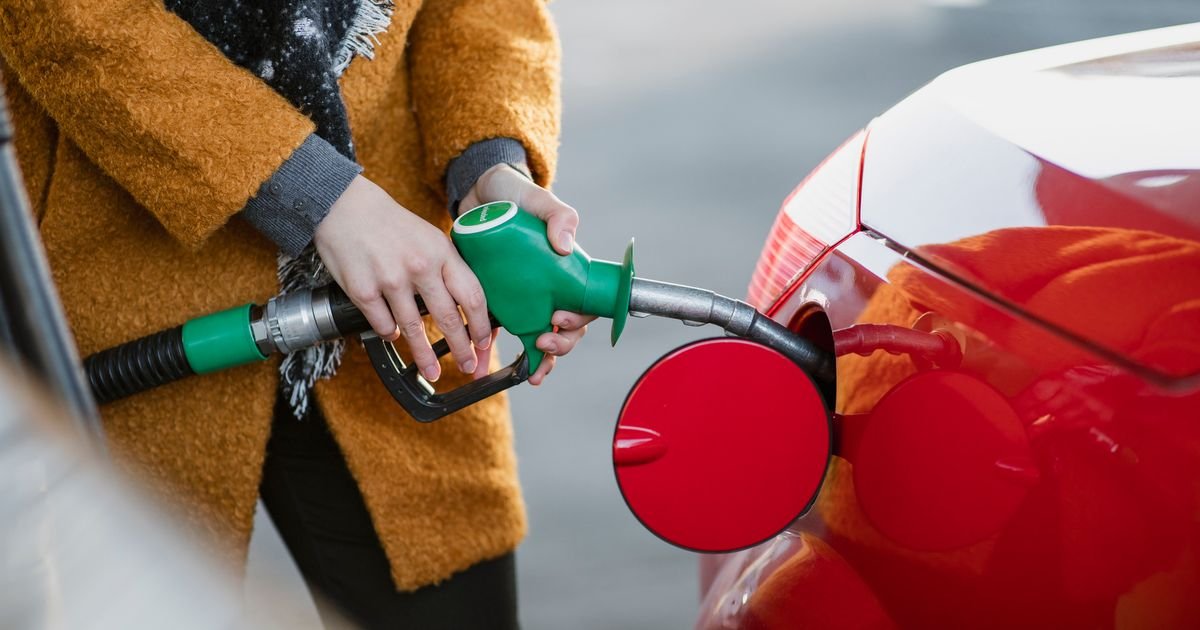

Drivers are being advised to minimize unnecessary trips to save fuel and adopt eco-efficient driving practices amid escalating oil prices due to the Middle East conflict. The surge in oil prices above $100 per barrel since 2022 is significantly impacting wholesale fuel costs.
With oil prices soaring, many motorists in the UK are refueling more frequently in anticipation of rising pump prices. As fuel prices show no signs of decreasing, it is crucial to optimize fuel economy when driving.
AA president Edmund King emphasized the gradual increase in pump prices and recommended drivers to maintain their refueling habits, while considering cutting out non-essential trips and adjusting driving styles to conserve fuel. RAC head of policy Simon Williams projected unleaded fuel to reach an average of 140p per litre and diesel to climb to at least 160p per litre, urging drivers to fill up as usual and seek competitive prices.
Since the conflict onset on February 28, petrol prices at UK forecourts have surged by 5p to 137.5p per litre, while diesel prices have risen by 9p to 151.0p. Historically, oil priced at $100 per barrel typically correlates with petrol prices around 150p per litre, with $120 per barrel suggesting prices closer to 170p per litre.
There are various ways to enhance a car’s fuel economy through simple tasks for cost-effective vehicle operation. The RAC and AA suggest measures to improve fuel efficiency, such as regular servicing to ensure smooth operation and component efficiency, correct tire inflation, limited use of air conditioning, and reducing unnecessary weight in the vehicle.
Additionally, using a car’s start-stop function, minimizing drag by closing windows, and removing roofboxes when not in use can further contribute to fuel savings. By implementing these tips, drivers can optimize their vehicle’s fuel efficiency and mitigate the impact of rising fuel costs.