

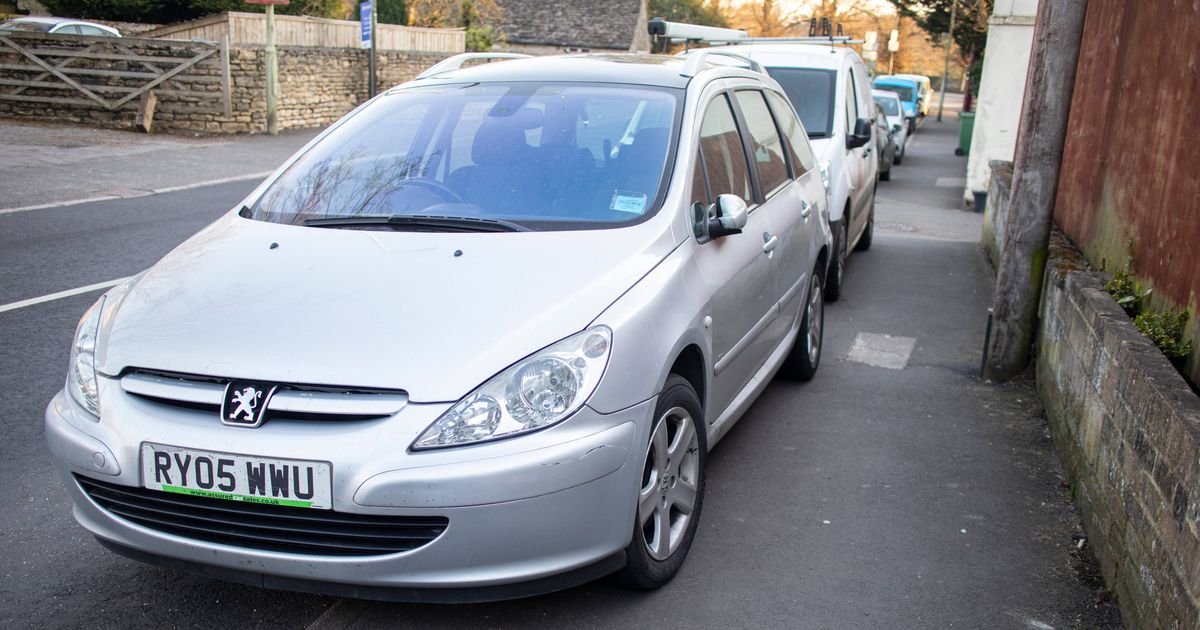

Local authorities are poised to gain expanded powers to tackle the issue of pavement parking, simplifying the enforcement of restrictions. The Department for Transport announced in January that councils will be granted new and improved legal authority to regulate pavement parking across larger areas than before. Previously, authorities had to individually request restrictions, causing delays in the process. The aim of the change is to ensure that sidewalks remain accessible to vulnerable groups such as wheelchair users, parents with strollers, and visually impaired individuals.
While councils will still have the discretion to decide where enforcement is most necessary, the new powers aim to provide a more comprehensive approach to addressing pavement parking. Regulations on pavement parking vary across the UK, with London having a longstanding ban in place since 1974, enforced with penalties of up to £130. In other regions, interventions are typically made when vehicles violate existing regulations like stopping on double yellow lines or specific marked restrictions.
Although mounting a pavement is generally prohibited under the Highways Act 1835, it only becomes an offense if it obstructs the path, which usually falls under police jurisdiction. Scotland introduced a blanket ban in December 2023, with full enforcement set to begin in April 2026, accompanied by fines starting at £100. In Wales, similar restrictions exist under the Highways Act, often enforced through traffic regulation orders for specific locations.
Despite the upcoming changes taking effect later this year, there is widespread support for stricter rules on pavement parking. However, concerns have been raised about the need for adequate resources to enforce these regulations effectively, especially given the existing strain on council budgets. Various organizations have welcomed the progress, highlighting the impact on pedestrian safety and accessibility.
Experts emphasize the importance of consistent and effective enforcement to ensure the safety of pedestrians, particularly those with disabilities. The proposals aim to empower councils to address pavement parking effectively, drawing from successful models like those in Scotland and London. The goal is to strike a balance between preventing obstructions and maintaining traffic flow, while ensuring fair treatment of drivers to avoid an influx of appeals against fines.
In conclusion, the upcoming changes in pavement parking regulations aim to enhance accessibility, safety, and enforcement across the UK, with a focus on improving conditions for pedestrians and vulnerable road users.