

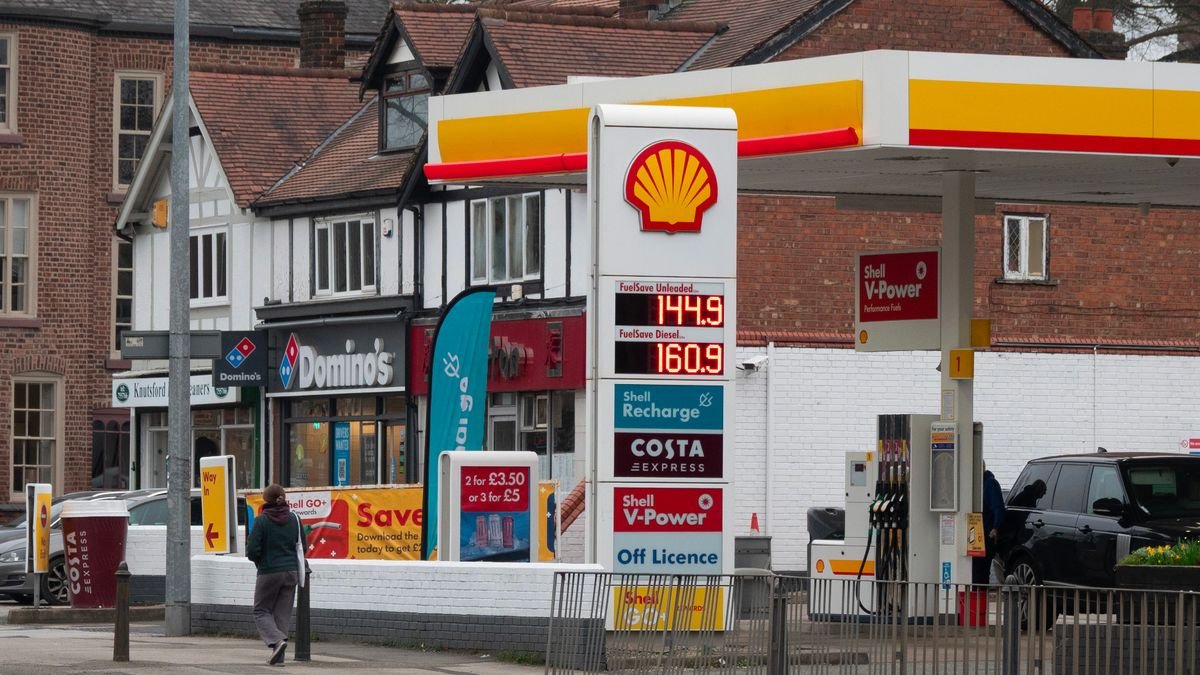

Fuel stations have been instructed to speed up the release of crucial pricing data following allegations of excessive profit-making.
The Competition and Markets Authority (CMA) has requested numerous garages to provide current figures on fuel margins, which represent their earnings from selling petrol and diesel. Juliette Enser, the CMA’s executive director for markets, emphasized the importance of ensuring that any price hikes are justified by genuine cost pressures. The CMA will closely monitor and report on fuel price trends, highlighting any questionable practices.
Recent data from the RAC shows that the average price of unleaded fuel nationwide has risen to 140.15p per liter, up over 7p since the conflict began. Diesel prices have surged even more, increasing by nearly 16p per liter to 158.23p.
Simon Williams, head of policy at the RAC, stressed the significant impact of fuel costs on drivers’ overall motoring expenses. He welcomed the CMA’s scrutiny of fuel pricing nationwide, pointing out that recent statistics indicate a substantial rise in prices, with petrol and diesel costs adding £4 and £8, respectively, to the expense of filling up a family car.
Howard Cox, the founder of FairFuelUK, cautioned against opportunistic profiteering in the fuel sector. This warning coincided with a meeting between Energy Secretary Ed Miliband and industry leaders to discuss the ongoing situation in the Middle East.
Following the meeting, Miliband affirmed that addressing the cost of living crisis remains a top priority for the government. He mentioned upcoming changes to the price cap in April as part of the ongoing efforts to mitigate the impact of current events. Miliband assured continued collaboration with the energy sector to address concerns arising from the Middle East situation.
The government’s newly appointed cost of living tsar has advocated for weekly emergency meetings resembling Cobra sessions to prevent households from being exploited during the Middle East conflict. Lord Richard Walker, the CEO of Iceland, proposed the establishment of a weekly “committee of regulators” during economic instability to ensure fair practices.
Lord Walker highlighted the need for measures similar to those implemented in France, where mandatory inspections at fuel stations are conducted to prevent price gouging. He expressed concerns over the rapid increase in pump prices, suggesting the possibility of emergency measures to ensure fairness among all stakeholders.