

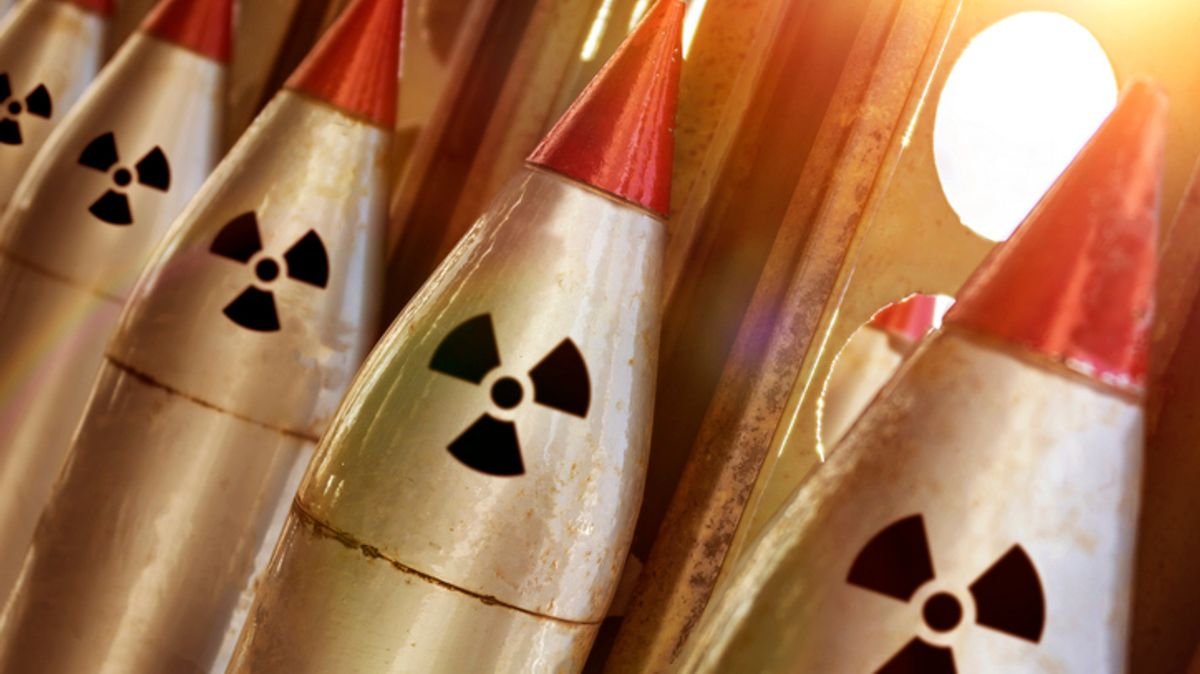

During the atomic age, the world has faced the looming threat of nuclear devastation due to various factors beyond warfare itself. Instances of near misses, caused by human error, technological malfunctions, and unfounded fears, have punctuated history since World War Two, undermining the concept of mutually assured destruction as a safeguard for global security. The disclosure of these close calls often emerges years after the incidents occurred.
Individual actions, like Vasili Arkhipov’s defiance aboard a submarine or Stanislav Petrov’s skepticism in front of a malfunctioning computer, have frequently been the thin line preventing catastrophic outcomes. These events underscore the precarious nature of our existence as long as nuclear arsenals remain active. The shift from the Cold War era to a multipolar world has further complicated this delicate balance on a hair-trigger edge.
In essence, these 11 narratives stand as stark reminders that in the nuclear era, the world’s fate hangs by a thread, hinting that our fortune may not last indefinitely. From the Taiwan Strait crisis in 1958 to the India-Pakistan standoffs in the early 2000s, the specter of nuclear confrontation has lingered, with interventions and diplomacy averting potential disasters.