

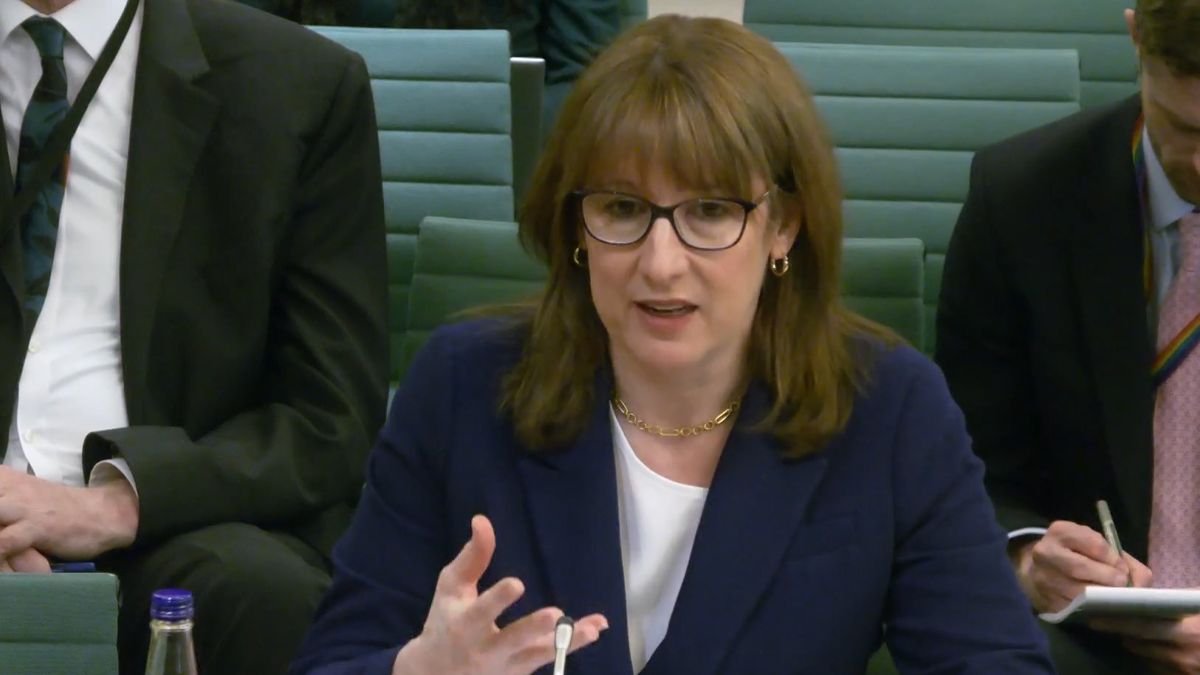

Chancellor Rachel Reeves updated Members of Parliament on measures to assist households in saving up to £300 annually on living expenses. During a session with the Treasury Committee, she discussed the government’s strategies to alleviate the financial burden on individuals facing escalating bills.
The Committee inquired about the impact of the ongoing conflict in Iran and sought information on actions being taken to aid consumers and businesses with their energy costs. The surge in oil prices following the conflict has led to an immediate increase in heating oil expenses, raising concerns about the long-term ramifications on the cost of living.
Addressing these concerns, Ms. Reeves emphasized the potential adverse effects of the conflict on the UK, underscoring the government’s decision not to engage in the conflict due to its repercussions domestically. She highlighted the Treasury’s proactive approach in preparing for various scenarios while acknowledging the uncertainty surrounding the full impact of the Iran situation.
Reflecting on past events, the Chancellor referenced the consequences of previous oil and gas price hikes triggered by geopolitical unrest, echoing former Chancellor Jeremy Hunt’s sentiments on the necessity for a cautious policy response in the current crisis.
Despite these challenges, Ms. Reeves announced a forthcoming initiative aimed at reducing household expenses. She confirmed that the energy price cap would come into effect in April, resulting in an average reduction of £117 in domestic energy bills until the end of June. The regulatory price cap imposed by Ofgem will decrease by 7% on April 1, translating to an estimated annual saving of £10 per month for households paying via direct debit for gas and electricity.
Responding to queries on targeted support for struggling individuals, Ms. Reeves highlighted the expansion of the Warm Home Discount in the recent spending review. This expansion, benefiting an additional three million low-income households, will provide a total discount of £300, including the existing £150 reduction, starting from April this year. The Warm Home Discount primarily aids those facing the most challenges with energy bills, particularly low-income families and pensioners.
Eligibility for the Warm Home Discount varies across regions, with automatic provision for recipients of specific means-tested benefits in England and Wales. In Scotland, applicants on a low income may need to apply for the discount, except for those receiving the Guarantee Credit portion of Pension Credit, where the discount is automatically applied.