

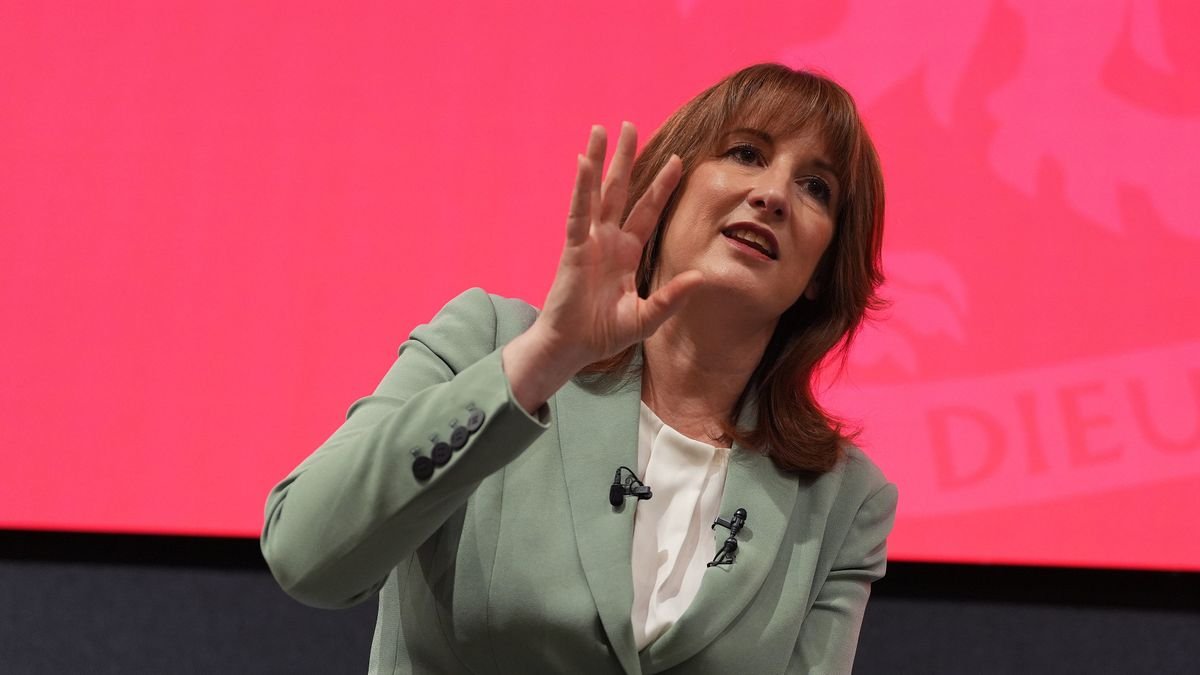

Regional mayors may soon have the opportunity to access a portion of nationally collected taxes to invest in their respective areas, as per the latest proposal put forth by Rachel Reeves. The Chancellor revealed intentions to outline a strategy for future fiscal devolution in the upcoming autumn Budget, emphasizing a shift towards empowering regional leaders with control over a share of existing tax revenues.
During the annual Mais Lecture at Bayes Business School in London, the Chancellor expressed her directive for officials to collaborate with mayors and businesses in formulating a roadmap for fiscal devolution. This roadmap, slated for release in this year’s budget, aims to grant regional leaders authority over certain national taxes, particularly focusing on income tax and other applicable taxes. The reform agenda is geared towards regions with the capacity to implement and benefit from these changes.
The Chancellor highlighted this initiative as a significant departure from past practices, presenting a unique opportunity for the regions in Britain to shape their own futures without imposing additional tax burdens on taxpayers. The proposed reforms are intended to be fiscally neutral, allowing regional leaders to allocate a portion of the income tax revenue generated within their jurisdictions.
Additionally, plans were outlined for the establishment of city investment funds, backed by a substantial £2.3 billion allocation, with a specific focus on northern England and the West Midlands. Furthermore, a consultation process was announced for the potential development of a dedicated corporation for Greater Oxford, mirroring the successful model implemented in Cambridge earlier this year.
In her address, Ms. Reeves underlined the benefits of closer ties with the European Union, cautioning against the risks of isolation amidst evolving global trade dynamics. While acknowledging certain regulatory divergences, she emphasized the potential advantages of alignment with EU standards in reducing costs and inflation.
Brexit was identified as a key factor contributing to economic uncertainty and the risk of isolation between major trading blocs, underscoring the interconnectedness of the UK’s fate with that of Europe. Ms. Reeves pointed out the adverse impact of Brexit on the country’s GDP, estimating a significant decline and attributing it to elevated costs for both businesses and consumers.