

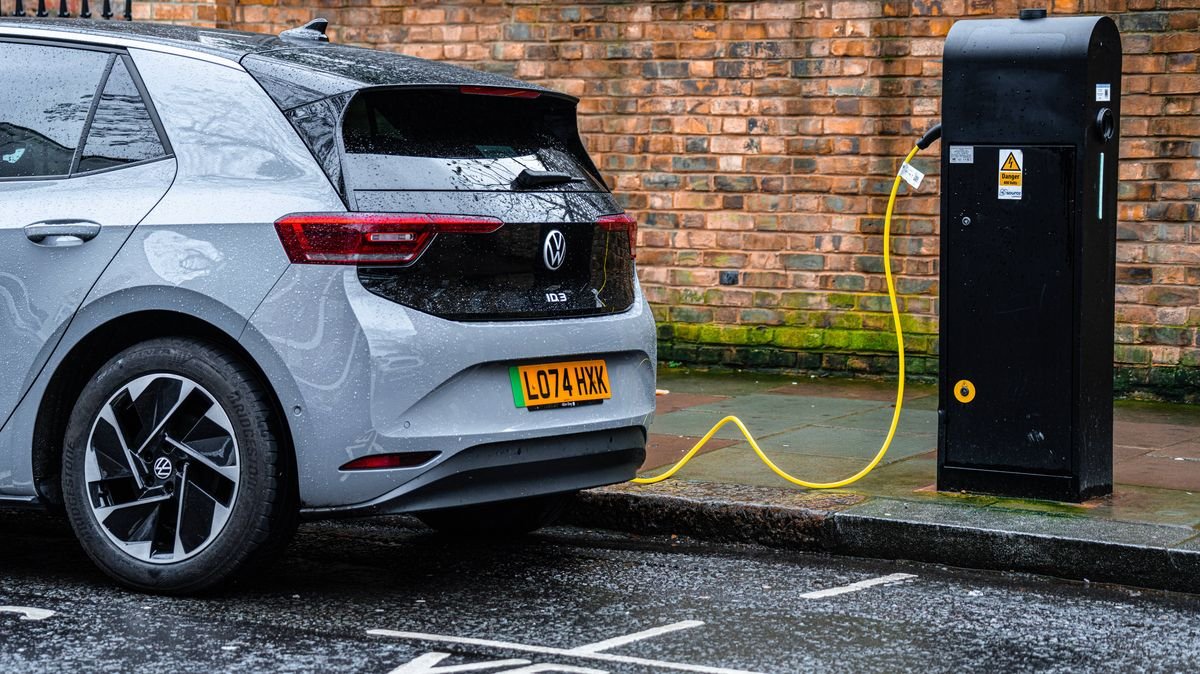

Amid the ongoing conflict in the Middle East, there is a push for ministers to consider reducing taxes on public electric vehicle (EV) charging to alleviate the financial burden on those who do not have the convenience of charging their electric cars at home. This call comes as petrol prices continue to surge due to escalating oil costs, prompting calls to delay the scheduled fuel duty increase in September.
Advocates for electric vehicles are advocating for a decrease in VAT on electricity purchased at public EV charging stations from 20% to 5%, aligning it with the rates for home charging. According to Ginny Buckley, CEO of Electrifying.com, the disparity in costs is significant, with home charging costing as little as 2p per mile compared to around 18p per mile for those reliant on public chargers, surpassing the costs of running a petrol car. She highlighted tax as a major factor contributing to this discrepancy.
Buckley emphasized the unfairness faced by drivers without access to home charging, stating that they are bearing the highest expenses. She acknowledged the heavy taxation on petrol and diesel but stressed the importance of not penalizing individuals without private driveways if the government aims to encourage a widespread transition to electric vehicles.
Ben Nelmes, the chief executive of New Automotive, expressed concerns about the impact of rising energy costs on EV drivers who rely on public charging points. With tensions in the Middle East affecting energy prices, Nelmes urged the Chancellor to take action to shield households with EVs from increased expenses.
Delvin Lane, CEO of InstaVolt, highlighted the rapid growth of the UK charging network, underscoring the need for tax policies to keep pace with the transition to electric vehicles. Lane suggested that reducing VAT on public charging would promote fairness and encourage more drivers to make the switch.
The Government is under pressure to freeze fuel duty as petrol and diesel prices have surged following the Middle East crisis, driven by threats from Iran disrupting vital oil and gas shipping routes. Chancellor Rachel Reeves announced a reduction in fuel duty in the 2025 budget, but with prices on the rise, there are calls to maintain this reduction to alleviate the financial strain on drivers.