

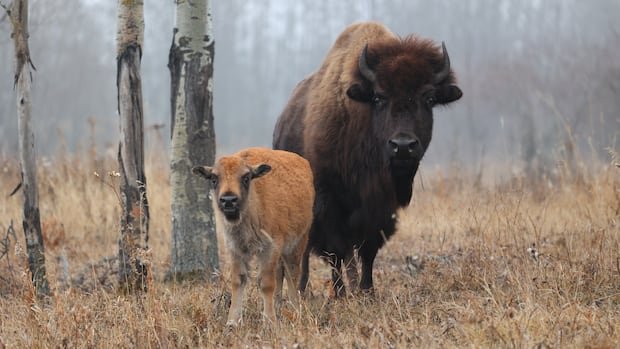

Once abundant across North America, bison faced near-extinction due to hunting, leading to significant changes in their genetic makeup. A recent study published in Science analyzed 160 bison genomes spanning 20,000 years, shedding light on the species’ evolution.
Led by paleogeneticist Jonas Oppenheimer and the Paleogenomics Lab at the University of California, Santa Cruz, the research involved 40 scientists, mostly Canadians. By decoding the bison DNA, researchers aim to enhance conservation strategies and ensure the species’ resilience.
The study revealed that modern bison populations, once genetically similar, now exhibit significant diversity based on their herds. This genetic differentiation stems from a past bottleneck when human activities nearly wiped out the species.
Genetic Insights
By sequencing ancient and modern bison genomes, researchers mapped the species’ genetic changes over time. Samples were collected from managed herds in Canada and the U.S., as well as ancient specimens from various collections.
The genetic study, comprising 115 ancient and 45 modern bison genomes, provided valuable insights into the species’ genetic structure, diversity, and historical shifts. It highlighted the importance of ancient DNA in modern conservation efforts.
Chris Jass from the Royal Alberta Museum emphasized the significance of preserving ancient DNA for current herd management practices, underscoring the collaborative nature of the research.
Historical Impact
Historically, bison roamed freely and interbred, maintaining a uniform gene pool. However, intense hunting in the late 19th century caused a drastic decline in population sizes. Despite this, genetic diversity persisted but became fragmented among isolated herds.
The study also highlighted the distinctiveness of wood bison and plains bison, showing their divergence around 3,000 years ago due to environmental changes. Efforts to manage these subspecies separately are crucial for preserving their unique genetic heritage.
Greg Wilson, a bison geneticist, emphasized the need for conservation strategies to reconnect isolated herds and prevent further genetic loss. By leveraging ancient genomes, researchers hope to restore genetic diversity and promote the species’ long-term survival.
Conservation Efforts
The study’s findings offer new avenues for managing bison herds, including genetic matchmaking to mitigate inbreeding risks and enhance diversity. By utilizing ancient DNA, researchers aim to reintroduce genetic flow among herds and support the species’ return to natural habitats.
Wilson’s Bison Integrated Genomics team, funded by Genome Canada, is pioneering DNA preservation efforts through the world’s first bison genome biobank. These initiatives aim to safeguard bison populations and promote genetic diversity for future generations.
For more information:
-
Advance polling opens today for Alberta referendum. Here’s what you need to know
- <a class="cardWrapper-u5T0r cardWrapper-_487P noPaddingCardWrapper" data-feature-instance="similar-link" data-feature-name="link" data-contentid="9.7376380" aria-hidden="false" data-cy="type-link