

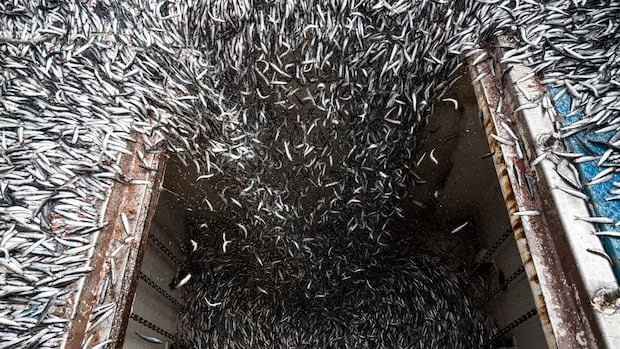

A recent investigation by a team of government inspectors in Goa, India, at the United Marine Products factory revealed improper disposal of toxic wastewater. The factory, known for producing fish meal, had resorted to drilling illegal bore holes behind the plant to dispose of the wastewater. This led to groundwater contamination, affecting villagers and livestock in the vicinity.
Despite the accusations, the plant owner denied any wrongdoing. The repercussions of such actions reach beyond borders, as fish meal from this factory in India is supplied to Skretting, a major feed producer used by numerous fish farms in Canada. This connection highlights the hidden costs associated with producing feed, including loss of jobs, chemical exposure, worker deaths, and protests due to factory odors.
The impact of these practices primarily affects poorer countries where feed ingredients are sourced and processed, contrasting with the consumption of luxury seafood in distant regions. The reliance on fish meal in aquaculture poses environmental challenges, accelerating ocean depletion, according to fisheries experts.
To address sustainability concerns, the aquaculture industry is gradually reducing its dependence on fish meal by incorporating alternative sources like insects, algae, and krill into feed formulations. Despite these efforts, the demand for fish meal persists, leading to increased use by major salmon companies, including those operating in Canada.
The Outlaw Ocean Project’s investigative efforts shed light on the global fish meal industry, uncovering issues such as food insecurity, unsustainable practices, and social unrest in various regions. The lack of transparency and compliance among fish meal producers raises concerns about overfishing and environmental degradation, prompting calls for stricter regulations and sustainable practices within the industry.
The investigation also highlighted incidents of pollution and worker safety violations at fish meal factories supplying major seafood brands in Canada. The involvement of international companies and the interconnected nature of the seafood supply chain underscore the need for ethical sourcing and responsible practices to mitigate adverse impacts on both people and the environment.
As the aquaculture sector continues to expand, the focus on sustainable feed production becomes crucial to ensure the long-term viability of seafood production while minimizing negative consequences on marine ecosystems and communities worldwide.