

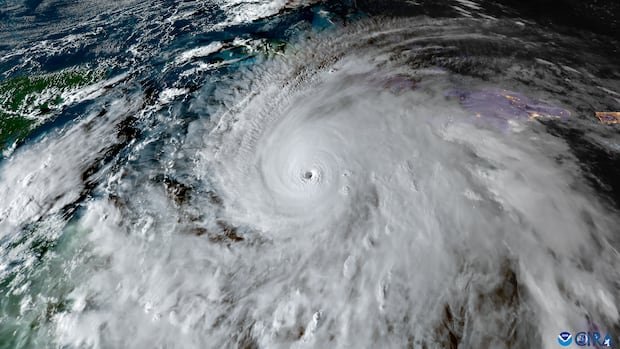

The current Atlantic hurricane season has seen only six named storms, with brief durations for most. The limited activity has been attributed mainly to the powerful El Niño event, according to Phil Klotzbach, a senior research scientist at Colorado State University. El Niño, a component of the El Niño-Southern Oscillation (ENSO) cycle, affects ocean temperatures and atmospheric winds globally.
The current El Niño event is anticipated to be substantial, with potential historical significance. Meteorologist Lindsey Long from the U.S. National Oceanic and Atmospheric Administration (NOAA) stated that anomalies could reach record levels, surpassing previous benchmarks set in the 1980s.
The Pacific Ocean has experienced heightened hurricane activity due to El Niño, with 16 named storms thus far. In contrast, the Atlantic region has been relatively calm, with one near-miss hurricane. The presence of El Niño has suppressed hurricane formation in the Atlantic, although some storms have impacted the Gulf of Mexico.
While the quiet Atlantic season can be linked to El Niño, its implications for next year’s hurricane season remain uncertain. It is expected that the El Niño event will peak in late 2026 and persist into 2027, potentially influencing future weather patterns.