

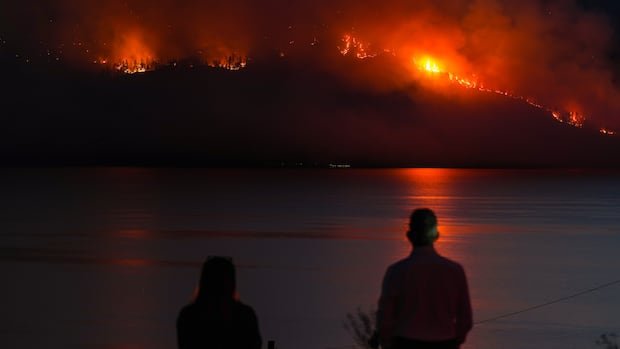

A significant Pacific Ocean warming event known as “super” El Niño or “Godzilla” El Niño has resurfaced, causing disruptions in global weather patterns. This occurrence comes at a time when various parts of the world are already experiencing extreme heat. Record-breaking temperatures were recorded in July for North America and Europe, leading to numerous heat-related fatalities, dried-up waterways, and widespread wildfires, including in Canada where over 4.1 million hectares of forest have burned.
Although this scorching summer coincided with the return of El Niño, climate experts clarify that the phenomenon itself is not solely responsible for these extreme weather events. However, they caution that the combination of El Niño and human-induced climate change could intensify existing extreme weather conditions.
Climate scientist Josh Willis from NASA’s Jet Propulsion Laboratory emphasized the wide-reaching impacts of the current El Niño, warning of significant consequences across a vast area. The warming associated with El Niño disrupts normal weather patterns, resulting in opposite conditions such as increased rainfall in dry regions and drought in typically wet areas.
This particular El Niño, possibly on par with the strongest events on record in 2015-16 and 1997-98, has raised concerns about its potential effects. Experts suggest that Canada and the northern U.S. may experience a warmer winter than usual, with British Columbia’s south coast expecting reduced precipitation and snowpack. Meanwhile, the southern U.S. could face a wetter winter season.
Countries like Peru and Ecuador, located at the eastern edge of the El Niño region, are bracing for heavy rainfall and flooding, while inland regions may suffer from drought. The impacts are not limited to equatorial regions, with places like Panama experiencing prolonged dry spells affecting critical water sources like the Panama Canal.
El Niño is also influencing the current hurricane season, with fewer storms expected in the Atlantic due to the shifting jet stream. In contrast, the Eastern Pacific has already seen several named storms, including Hurricane Genevieve and Tropical Storm Lala, causing significant damage in Hawaii.
Climate scientists stress that the current El Niño is occurring in a world already experiencing heightened temperatures due to human-induced climate change. This dual impact could lead to unforeseen consequences, with effects likely to persist well into 2027 as the accumulated heat from the ocean transfers into the atmosphere.
Overall, the ongoing El Niño event underscores the interconnectedness of natural climate phenomena and human-induced climate change, emphasizing the need for continued research and mitigation efforts to address the escalating impacts of extreme weather events.