

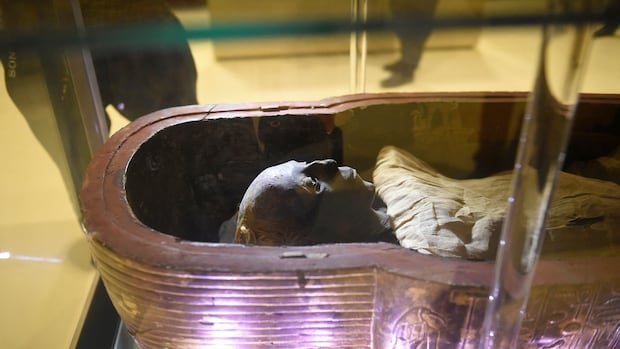

While it may not be a common association, researchers have highlighted the existence of a global online market for preserved human remains, which they classify as a niche interest that could present potential health risks.
Lead author Kirsty Squires and her research team examined 128 online posts from the years 2015 to 2025 showcasing or promoting the sale of preserved remains from humans and animals in a study published in the International Journal of Cultural Property.
Squires, a bioarchaeology professor at the University of Staffordshire in Stoke-on-Trent, England, noted that mummified heads, hands, and feet were frequently featured in the analyzed posts.
The study warns that mummified body parts may contain dormant microorganisms, including bacteria, fungi, and yeast, which could pose health risks if not handled properly. However, some experts suggest that knowledgeable collectors may not face significant concerns.
Safely Managing Mummified Remains
Squires observed that many online images displayed visible signs of decay in the remains, largely attributed to inadequate storage conditions.
In contrast to museums where mummies are stored under precise temperature and humidity controls, domestic settings like homes or garages where remains are often kept lack such regulated environmental conditions, potentially leading to the release of fungal spores or bacteria during handling.
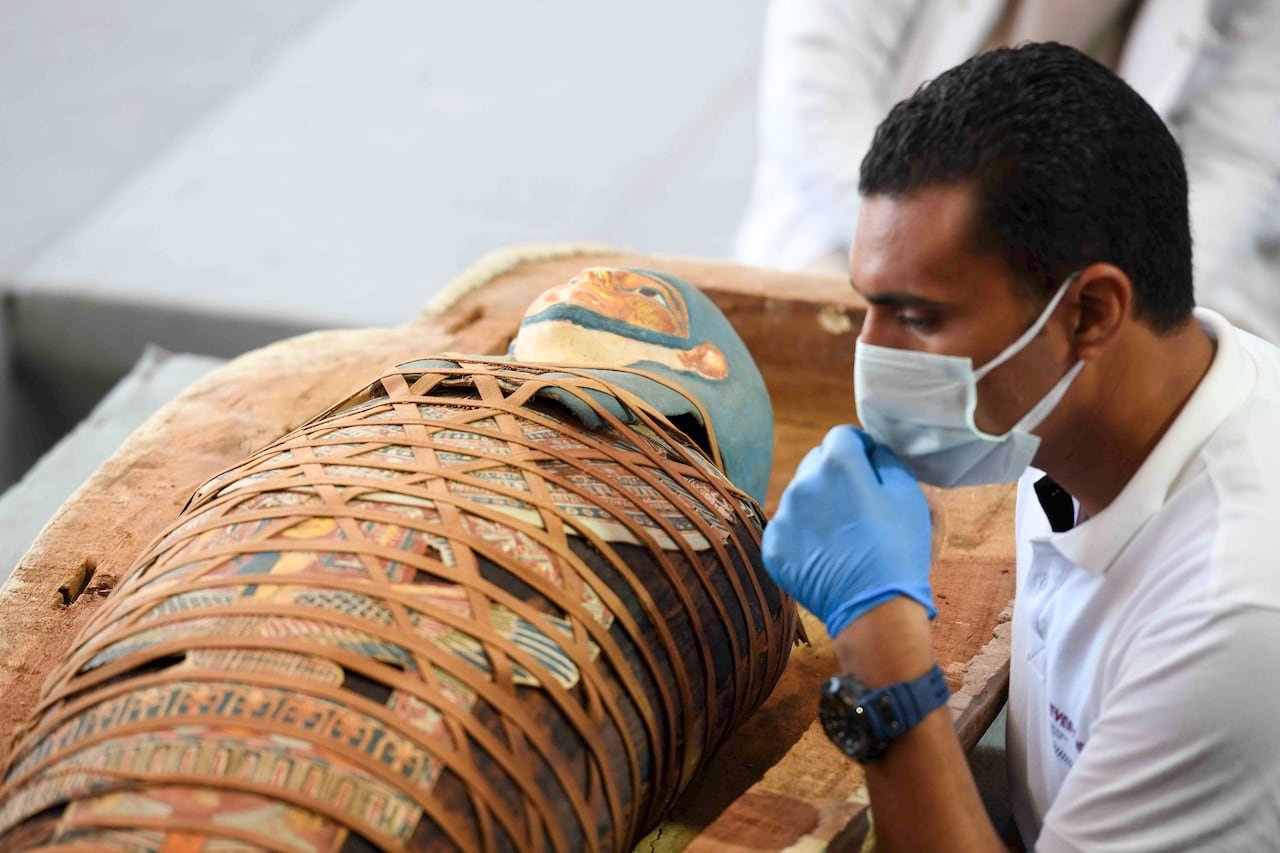
When handling human remains in her research, Squires emphasizes the use of protective gear, which was not consistently observed in images from sellers.
According to Squires, individuals with weakened immune systems could face risks from airborne microorganisms found in mummified tissue, potentially affecting respiratory health, skin, and eyes.
The study also points out that some mummified body parts may contain harmful substances like arsenic and mercury from historical embalming fluids, posing additional dangers.
Historical Hazards and Ethical Concerns
Although the study does not provide specific instances of individuals falling ill from handling online-sold remains, historical incidents underscore the potential risks of exposure to such materials.
For instance, in 1973, 10 out of 12 conservation scientists died after inhaling Aspergillus spores while investigating King Casimir the Fourth of Poland’s 15th-century tomb.
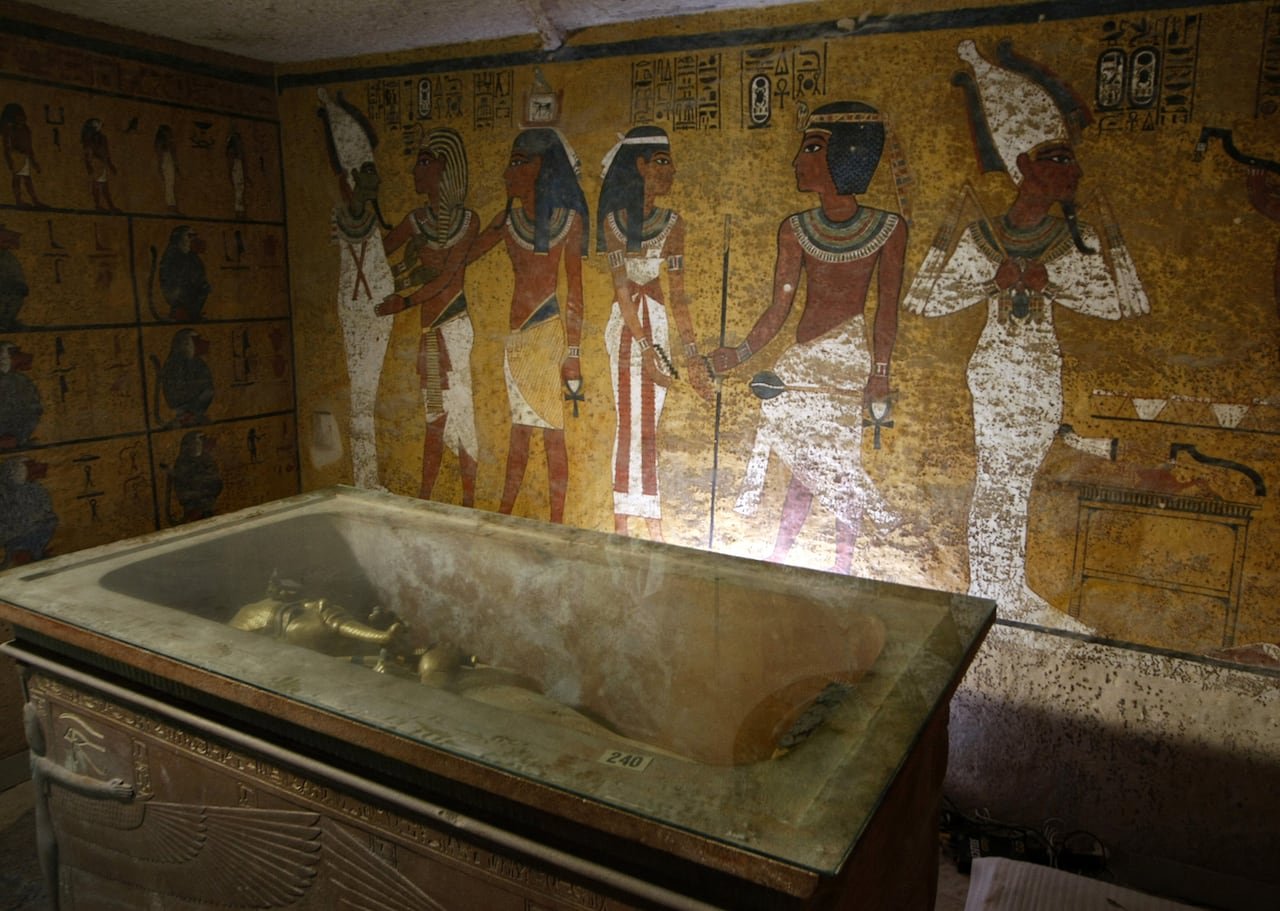
There have been speculations regarding the death of Lord Carnarvon in 1923, attributed to airborne fungal spores possibly encountered during the opening of Tutankhamun’s burial chamber.
James Scott, a public health professor at the University of Toronto, raises concerns about the ethical implications of trading human remains online rather than focusing solely on health risks.
Scott believes that for collectors who handle such items with care and store them appropriately, the health risks may be minimal.
Insights into Canada’s Mummified Remains Market
Among the examined online posts, 11 were traced back to individuals in Canada, which aligns with observations made by Shawn Graham, a digital archaeology professor at Carleton University in Ottawa