

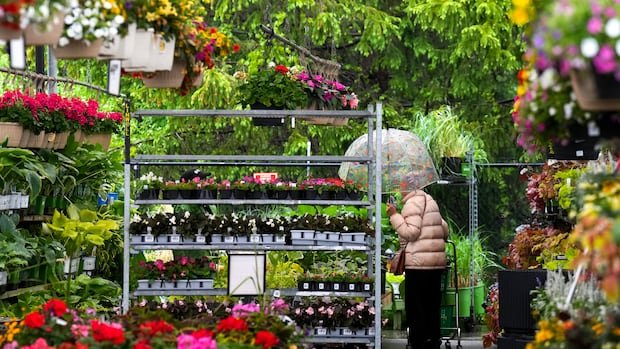

Canadian municipalities are making efforts to prevent the sale of invasive plants in local garden centers, while advocates are urging the Canadian government to establish a national framework for regulating the horticultural trade.
Invasive plants pose a threat to biodiversity nationwide, prompting municipalities to address gaps in the current regulatory landscape, which varies by jurisdiction. Canada has committed to reducing the introduction and establishment of known invasive species by 50% by 2030.
The Canadian Coalition for Invasive Plant Regulation (CCIPR) is calling for the creation of a federal regulatory body for the horticultural industry and the development of a national database identifying invasive plants and associated risks in different regions.
CCIPR co-founder Cathy Kavassalis emphasized the importance of informing the public about potential harm posed by invasive plants, highlighting the need for similar labeling practices as seen in other consumer products.
While the Canadian Food Inspection Agency oversees some invasive plants under the Plant Protection Act, individual provinces and territories have their own legislation for managing invasive species. The CFIA stated that their approach is focused on species and risk assessment rather than a blanket prohibition on all invasive plants.
The CFIA emphasized that managing invasive plants requires collaboration among various stakeholders, including provinces, municipalities, industry players, and invasive plant organizations. Any expansion of federal restrictions would be contingent on the risk posed by specific species and the existing legislative framework.
Recent actions by Canadian cities, such as Nanaimo and Surrey, to restrict the sale of invasive plants through bylaw amendments reflect the growing local efforts to address the issue. These initiatives aim to raise awareness and prevent the spread of invasive species at the community level.
Advocates are urging Ottawa to take comprehensive action to address invasive plants within the horticultural trade, emphasizing the need for a national database to inform stakeholders about regional risks. The involvement of all levels of government is seen as crucial in combating the spread of invasive species.
Experts in the field, like horticulture and agriculture specialist Jim Hole, support measures to curb the sale of invasive plants, highlighting the importance of research, regulation, and public education in protecting ecosystems. Nurseries play a critical role in influencing consumer choices and can contribute significantly to preventing the spread of invasive species.
Native plant advocate Lorraine Johnson underscored the impact of nurseries in biodiversity loss, emphasizing the importance of promoting native plants to support local ecosystems. Efforts to regulate garden centers can help raise awareness among consumers and encourage a more eco-conscious approach to gardening.