

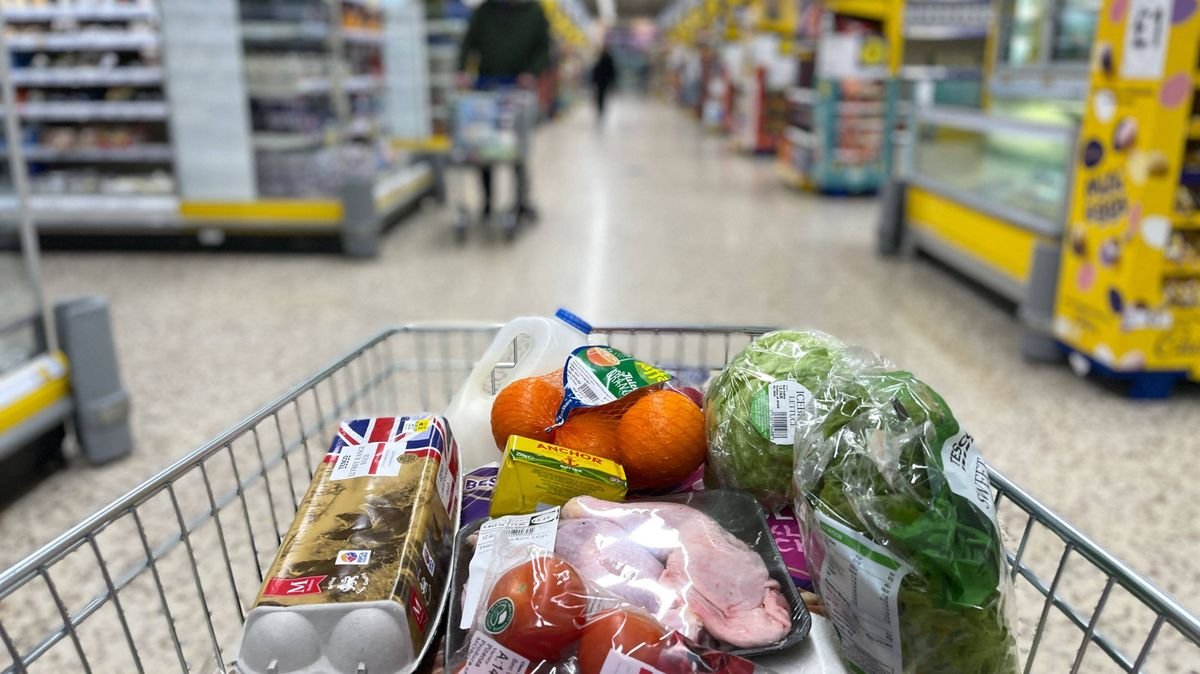

The Institute of Grocery Distribution has issued a warning that the ongoing crisis in the Middle East may lead to a significant increase in the average family’s grocery expenses by more than £150 annually. Initially forecasting a 3.6% rise in food prices, the Institute has revised its projection to over 8% by June, highlighting the potential impact on household budgets.
This surge in food costs follows a previous substantial increase of approximately 38% since the onset of the Covid pandemic, further straining families’ finances. Termed “Trumpflation” by critics due to the influence of U.S. President Donald Trump and Israel’s actions against Iran, the situation has triggered a spike in oil prices and disrupted trade routes like the Strait of Hormuz, which are likely to translate into higher food expenses among other essential bills for consumers.
James Walton, the chief economist at the IGD, emphasized that the Middle East conflict’s repercussions could delay the recovery from the cost of living crisis. In a best-case scenario, if the energy shock escalates, food inflation might surpass 8% by June 2026, imposing an additional £150 burden on average household grocery bills annually.
Walton also addressed concerns over excessive profits in the food industry, refuting the assumption that higher prices equate to increased profits for businesses. The IGD’s analysis indicates that profit margins for basic food items remain slim, with certain products like chicken breast and beef mince generating margins below 1%.
Following a peak of over 19% food inflation in March 2023 during Russia’s invasion of Ukraine, the rate has since subsided to 3.6% as of January, as reported by the Office for National Statistics. With the Iran conflict expected to drive inflation higher in the upcoming months, the Bank of England has forecasted a potential rise to 3.5%.
As inflationary pressures persist, consumers are cautioned to prepare for possible cost increases in essential goods and services in the near future.