

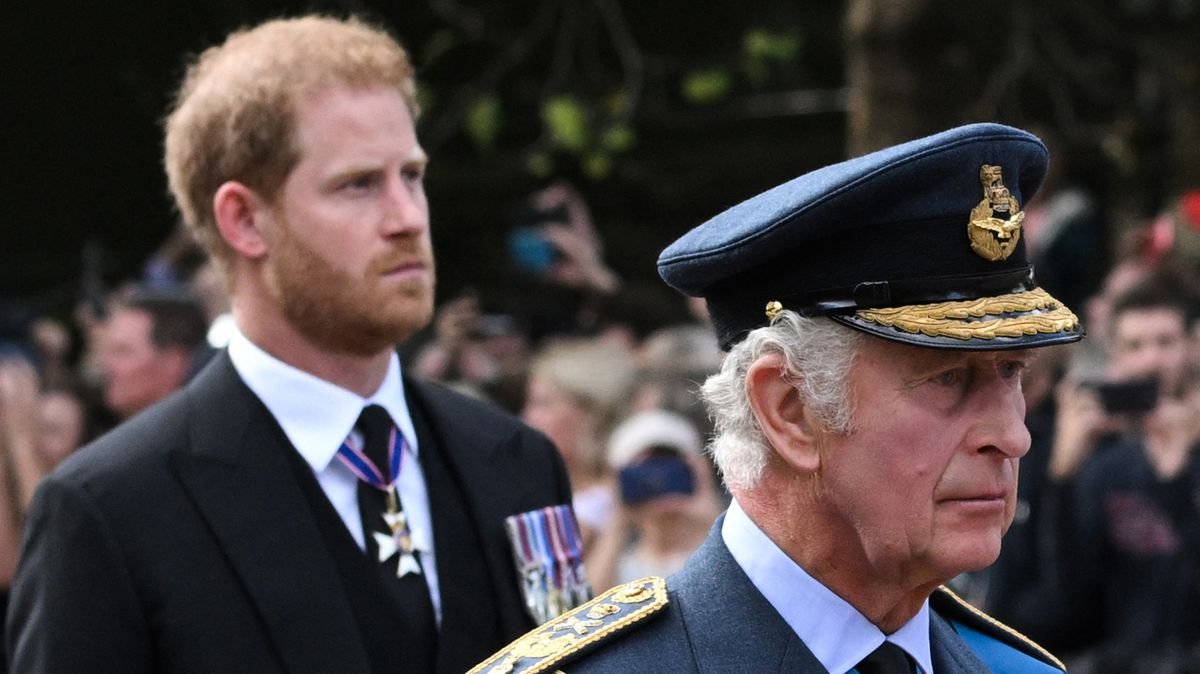

Amid calls against King Charles reuniting with Prince Harry, there might be a strategic opportunity being overlooked. Recent reports reveal the King’s upcoming official state visit to the US, a move that initially sparked controversy due to escalating tensions between President Donald Trump and key US allies like the UK regarding involvement in the Iran conflict.
While Prime Minister Keir Starmer emphasizes prioritizing European relationships, the King’s visit to commemorate the 250th anniversary of US independence showcases the monarchy’s “soft power” influence. As a non-political figure, the King possesses leeway in diplomacy that elected officials like Starmer do not.
Soft diplomacy has been a longstanding strength of the monarchy, exemplified by the late Queen Elizabeth and now by Charles. However, internal tensions within the House of Windsor could challenge the Royal Family’s reputation for unity.
Reports suggest that Charles will not meet Harry during his US visit, maintaining a physical distance of 3,000 miles. Nonetheless, Harry plans to return to the UK for charitable engagements, sparking speculation about a potential reunion with his father.
Contrary to rumors, Harry is not actively seeking an invitation to Sandringham, the King’s estate. Despite public debate over taxpayer-funded security, the ongoing rift within the Royal Family raises questions about prioritizing personal grievances over unity and reconciliation.
In light of the Andrew Mountbatten Windsor scandal and ensuing controversies, the Royal Family faces scrutiny for their handling of internal discord. The necessity for Charles to mend familial relationships and demonstrate unity within the House of Windsor becomes increasingly apparent for the monarchy’s credibility and public perception.
As the Royal Family navigates public expectations and internal dynamics, the opportunity for reconciliation and moving past longstanding controversies presents a chance for a new chapter in their history. Addressing disharmony within the family could pave the way for a more cohesive and forward-looking approach to their public role and responsibilities.