

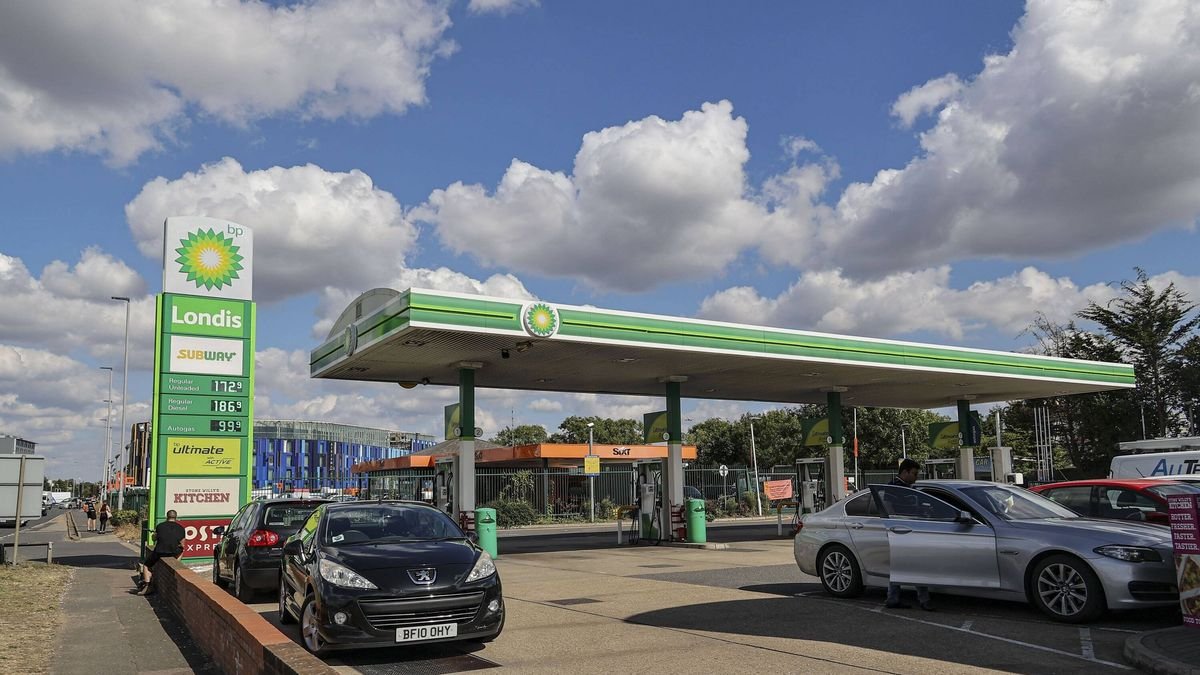

Plans are in place for potential petrol and diesel rationing as the government prepares for potential disruptions in the Middle East affecting fuel supplies. Concerns have arisen due to ongoing conflicts in Iran and supply chain issues in the Strait of Hormuz, resulting in escalating fuel prices and reports of shortages at some fuel stations.
The Department for Energy Security & Net Zero has outlined a National Emergency Plan for Fuel, detailing the procedures for implementing rationing and identifying priority groups if such measures are enforced.
Recent data from the RAC indicates a significant increase in fuel prices, with the average cost of unleaded petrol reaching 141.5p per liter and diesel at 160.3p per liter, marking an 18-month high.
Under the National Emergency Plan for Fuel, emergency services and critical service vehicles would receive precedence for fuel access. Following them, utilities like gas, electricity, and water companies would be prioritized, along with public transport services such as buses and diesel trains. Commercial vehicles, particularly those involved in essential deliveries like food and healthcare supplies, would come next, with private motorists potentially facing restrictions on fuel purchases and reduced operating hours at petrol stations.
The document emphasizes that measures to address fuel supply disruptions would primarily involve industry cooperation, but emergency powers under the Energy Act 1976 could be invoked in severe fuel shortage scenarios.
Government officials are closely monitoring the situation, with discussions ongoing regarding potential contingency plans for fuel rationing. While concerns about oil and gas shortages persist, the government has assured the public of a resilient fuel supply chain and adequate fuel stocks to address any challenges that may arise.