

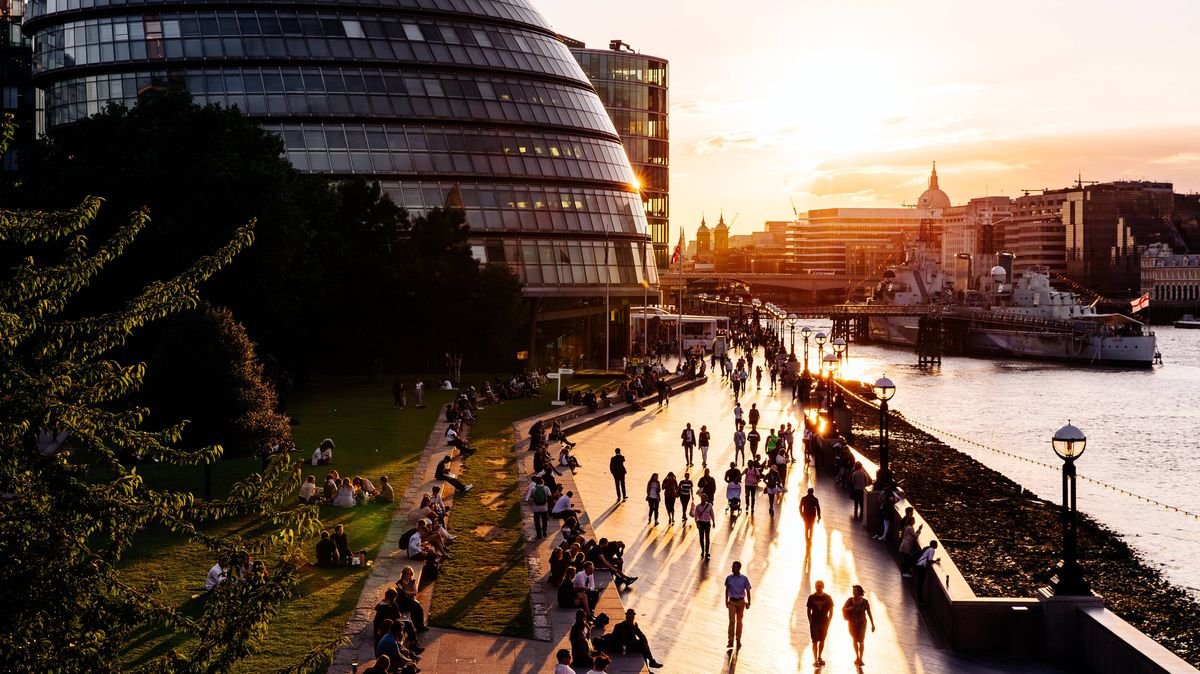

Next weekend, we will set our clocks forward to mark the beginning of longer, brighter evenings as we approach summer. After a prolonged winter, many people are eagerly looking forward to the extended daylight hours.
In the UK, clocks will be adjusted by one hour at 1am on Sunday, March 29, kickstarting British Summer Time (BST) one day earlier than in 2025. The clocks will return to standard time on the last Sunday of October. Post time change, certain regions in the UK, like County Fermanagh in Northern Ireland, will witness sunsets extending past 8pm.
London will have to wait until around April 17 for sunsets after 8pm. Edinburgh is expected to experience its first post-8pm sunset around April 6, Cardiff on April 10, and Birmingham approximately on April 12, as per forecasts.
Daylight saving time, where clocks are advanced in spring, was first introduced in 1916. The idea of maximizing daylight was initially proposed by American inventor Benjamin Franklin in 1784 and later detailed in a pamphlet called “The Waste of Daylight” by British writer William Willett in 1907.
In 1916, Germany became the first country to implement daylight saving time, a year after Willett’s death. The UK swiftly followed suit, along with several other nations involved in World War I (1914-1918), according to the Royal Museums Greenwich.