

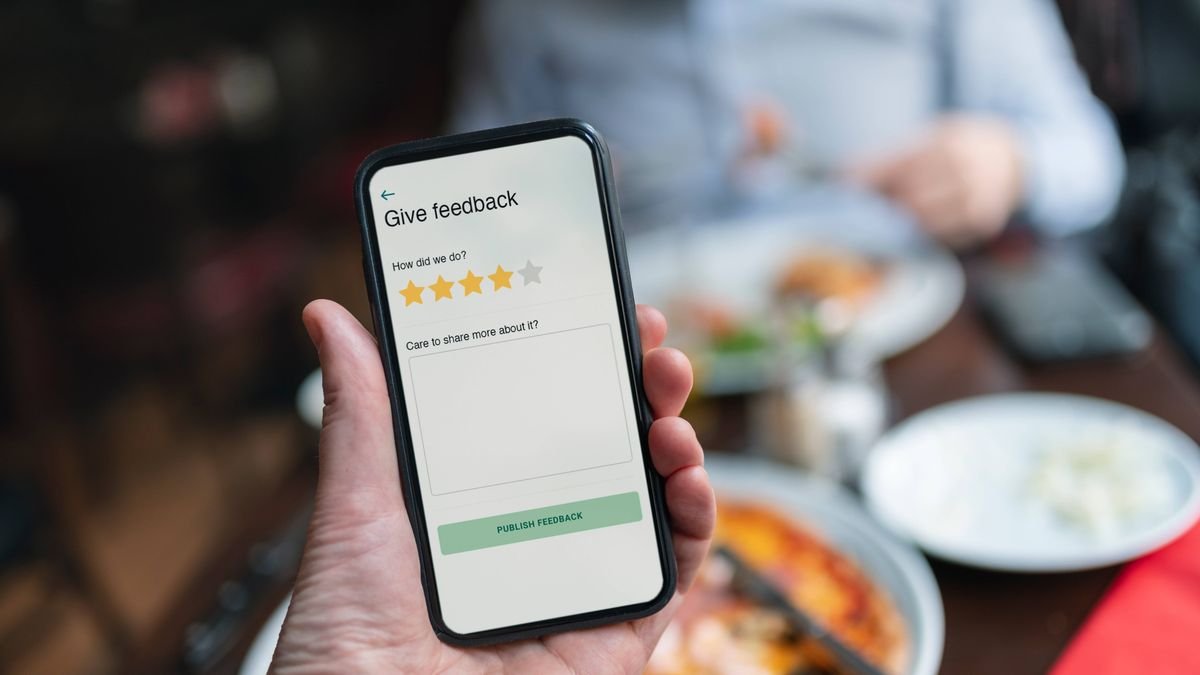

UK consumers are being cautioned to exercise vigilance when relying on online reviews for important financial or lifestyle decisions, as per experts. TruthEngine, an independent platform specializing in identifying and preventing fake reviews, revealed that their research, conducted by a team of PhDs over five years and analyzing millions of data points, showed that over 50% of online reviews are now fraudulent.
This means that consumers often encounter a system where seemingly genuine feedback is actually deceptive. The issue of fake reviews spans across all sectors, including estate agents, financial advisers, travel companies, online retailers, energy firms, and telecom providers.
The prevalence of fake reviews is a widespread problem, exacerbated by the fact that people are more likely to leave reviews after negative experiences rather than positive ones, skewing the authenticity of feedback. Moreover, there is a surge in artificially generated reviews aimed at boosting ratings and influencing purchasing decisions.
Daniel Mohacek, CEO of TruthEngine, highlighted that fake reviews have evolved significantly with the advent of AI, becoming a pervasive problem in modern e-commerce. Brands of all sizes are implicated in this issue, leading to widespread deception among consumers.
Interestingly, highly rated businesses, especially those scoring around 4.9 out of 5, should be approached with skepticism, as they are often indicative of review manipulation. On the other hand, companies with ratings between two and three stars are now perceived as more reliable, reflecting a more balanced mix of positive and negative feedback.
To combat the issue, TruthEngine has introduced TruthMark, a verification badge awarded to companies with independently verified reviews. The risks associated with fake reviews extend beyond minor disappointments at restaurants or hotels to potentially dangerous scenarios involving health products, financial services, and children’s items.
Daniel emphasized the critical nature of the problem, noting that trusting products based on fabricated reviews could pose significant risks to consumers’ safety. The need for vigilance in assessing online reviews has never been more crucial to avoid potential harm or deception.