

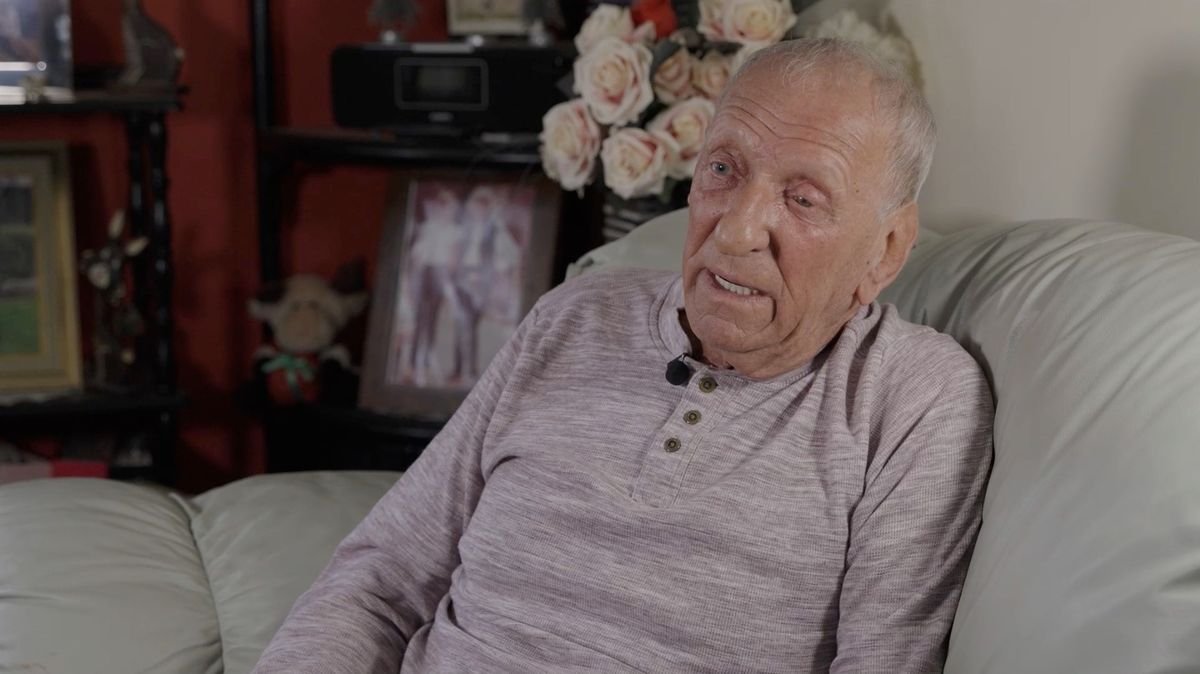

An elderly man, Paul Cleeland, asserts that he was wrongly imprisoned for a mob-related murder 54 years ago, alleging that notorious criminal Reggie Kray introduced him to one of the actual perpetrators.
Cleeland, now 84 years old, served a lengthy sentence of 26 years for the fatal shooting of his associate Terry Clarke in Hertfordshire in 1972. He anticipates that a new inquiry into the miscarriage of justice will exonerate him as forensic experts conduct fresh analyses on his attire and shotgun shells.
According to Cleeland, a gangster from Essex had hired two hitmen to eliminate Clarke, suspecting him of collaborating with law enforcement. Cleeland claims to have crossed paths with one of the hitmen through Reggie Kray while both were incarcerated at Parkhurst prison in the 1980s.
Recalling the encounter at his residence in Folkestone, Kent, Cleeland recounted a conversation with Kray, who disclosed information about the individual linked to Clarke’s murder. Cleeland maintains that the hitman confessed to being hired by an Essex drug dealer who feared Clarke might expose his illicit activities to the police.
Despite Cleeland’s assertions, he was convicted in 1973 for Clarke’s murder, despite inconsistencies in witness descriptions and contested forensic evidence presented during the trial.
Cleeland now challenges the forensic analysis conducted during his trial, arguing that it was flawed and lacked proper qualifications. His case is under review by the Criminal Cases Review Commission, following a similar exoneration of Andrew Malkinson, who spent years wrongfully imprisoned.
Cleeland’s legal representative, Ricky Arora, has submitted compelling evidence to the commission, including expert reports discrediting the forensic link between Cleeland and the alleged murder weapon. The commission’s ongoing examination involves conducting DNA tests on crucial evidence related to the case.
The CCRC has faced criticism for its handling of cases like Cleeland’s and is now reevaluating his conviction with urgency. This reassessment is part of the Forensic Opportunities Programme initiated after the Malkinson scandal to ensure fair and accurate criminal investigations.