

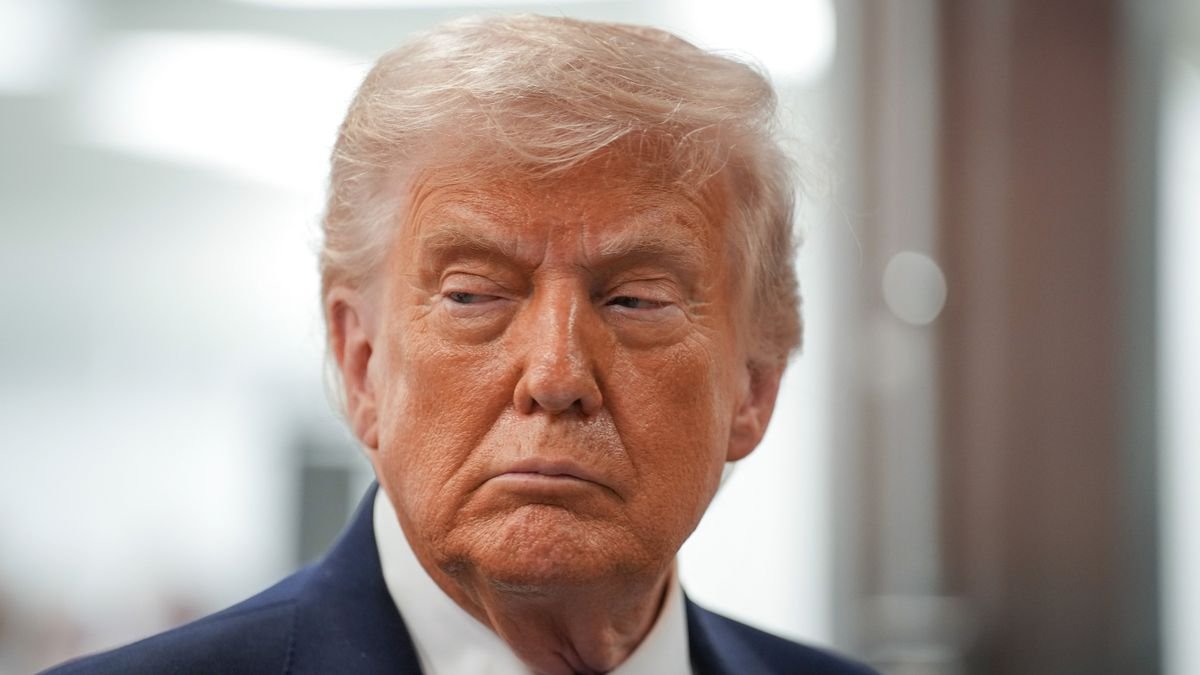

Worried households are facing a dual challenge dubbed “Trumpflation” due to increases in energy bills and interest rates amid escalating tensions in the Middle East.
Experts are raising concerns about the conflict intensifying, particularly as Iran initiated a new wave of drone strikes in the Gulf region. This led to a significant 35% spike in European wholesale gas prices following retaliatory attacks on energy facilities.
The recent attack by Tehran on Qatar’s Ras Laffan plant, the world’s largest liquefied natural gas export hub, in response to Israel’s actions at its South Pars gas field, prompted a strong warning from US President Donald Trump. The resulting surge in wholesale gas prices, along with oil prices hitting $119 a barrel, poses a threat of increased bills for UK households.
Estimates suggest that energy bills could rise substantially depending on the duration of the crisis. The Resolution Foundation estimates a potential £500 increase per household, while EDF projects bills to rise by up to £300 over the next year.
Despite a temporary 7% drop in Ofgem’s price cap next month, concerns loom over potential hikes in July during the cap’s review, prompting calls for government intervention to protect vulnerable households.
Political figures like Lib Dem leader Ed Davey and Simon Francis from the End Fuel Poverty Coalition are urging the government to take action to prevent a looming energy bill crisis due to the ongoing conflict.
The recent attacks triggered a massive £900 billion sell-off in global financial markets, with the UK’s FTSE 100 losing over £50 billion in market value.
Prime Minister Keir Starmer condemned the Iranian strikes on Qatari gas facilities following an emergency Cobra meeting to address the worsening situation in the region. Discussions among top ministers centered on preparing contingency plans for the domestic impact of the conflict.
The Bank of England cautioned that a prolonged energy shock could lead to inflationary pressures, potentially necessitating interest rate hikes. The Monetary Policy Committee unanimously decided to maintain the base rate at 3.75%, acknowledging the increased risk of inflation reaching as high as 3.5% by the third quarter.
Bank governor Andrew Bailey emphasized the need for rate adjustments in response to a prolonged energy crisis, with markets already pricing in a potential increase to 4% by June and the possibility of three rate hikes this year.
Borrowers are already experiencing the effects of rising mortgage costs, with average fixed rates escalating due to increased market volatility stemming from the Middle East unrest.
Experts point out that the turmoil in the region has led to elevated mortgage rates and disruptions in the market, impacting borrowers seeking home loans.
Analysts are observing a continued escalation in attacks on energy infrastructure and shipping in the Middle East, signaling a deepening crisis with broader economic implications.