

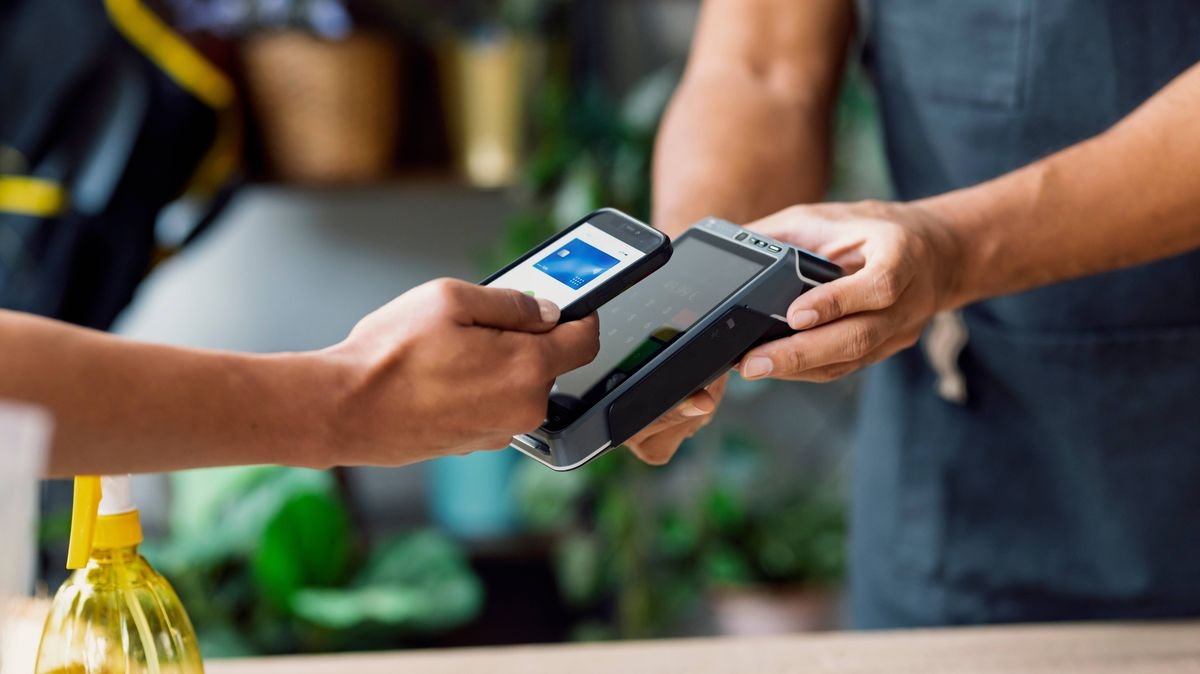

British banks have shared updates with customers regarding a recent rule change that takes effect today. Starting on March 19, 2026, adjustments to the rules allow banks and payment providers with strong fraud prevention measures to set higher limits for contactless card payments in the future.
While leading UK banks have confirmed they will maintain the £100 limit for now, many also give customers the option to set lower limits themselves, offering flexibility for potential changes in the future. Some account providers have mentioned they are keeping an eye on the situation and will notify customers of any changes.
The contactless card limit has been raised several times in the past, and in December of last year, the Financial Conduct Authority (FCA) announced that rule adjustments would be implemented from March 19. It is up to individual firms to decide if and when they want to utilize the flexibility to adjust their limits.
The aim is to help companies better respond to changing consumer needs, inflation, and emerging technology. Those opting to make changes must communicate them clearly to their customers in line with regulatory guidelines.
Businesses are also encouraged to allow customers to set their own limits or disable contactless payments entirely, a feature already offered by many banks. The rule changes may prompt companies to rethink their overall contactless strategy in the future if they choose to do so.
Existing limits have required users to enter their PIN after a certain number of transactions or spending amount. Contactless payments have gained significant popularity over the years, with the contactless card transaction limit progressively increasing.
Data from Barclays shows that 94.6% of eligible in-store card transactions were contactless in 2024, representing a substantial increase compared to 2015.
According to UK Finance, as of December 2025, 67% of credit card transactions and 76% of debit card transactions were contactless. The average value of a contactless payment is just under £18, as per UK Finance data.
The FCA believes that the increased flexibility will prompt firms to enhance their fraud prevention measures, providing consumers with better protection. Existing safeguards will remain in place to ensure customers are reimbursed for unauthorized fraud cases, such as lost or stolen cards. Higher payments through mobile wallets will continue to be possible, with additional user verification methods like facial recognition or thumbprint scans.
Peter Harmston, head of payments consulting at KPMG UK, commented: “Contactless has become the preferred payment method for the nation over the past decade. Speed and convenience are paramount, and removing the contactless limit is a step towards meeting these demands.
“While immediate changes may not be drastic, we can expect banks and card providers to adjust their contactless limits or potentially remove them entirely in the coming years. Security remains a top priority for banks due to the heavy costs associated with fraud, ensuring that contactless limits do not expose customers to increased risks.”
The review of the contactless card limit