

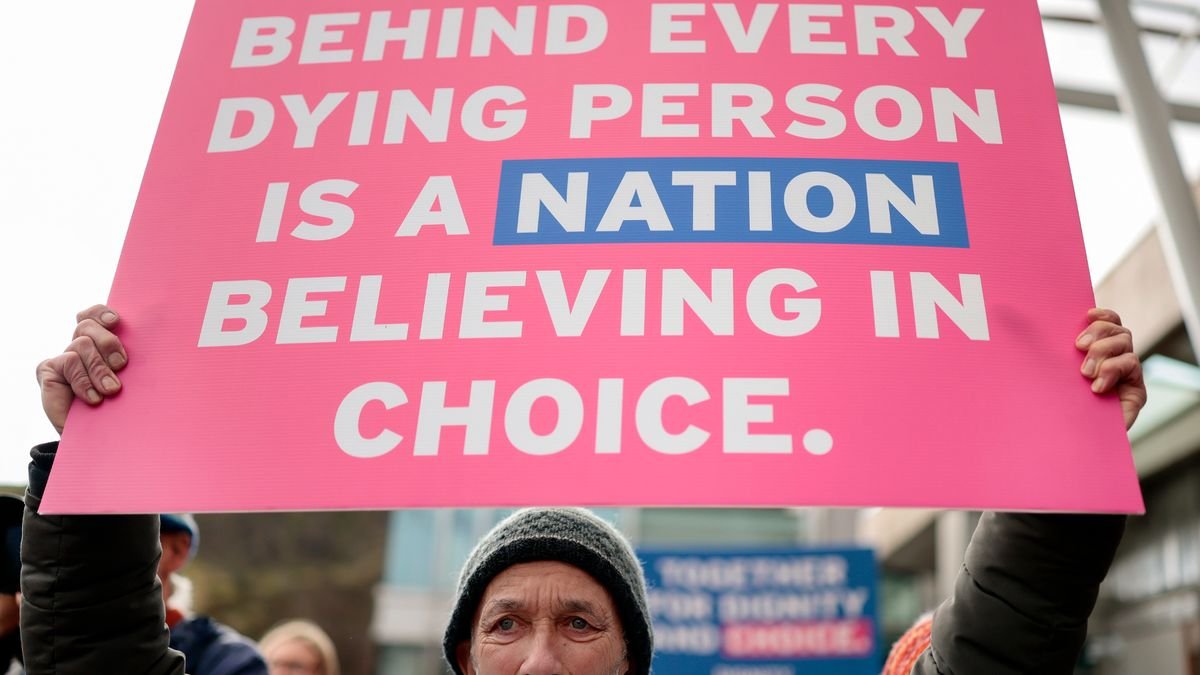

Campaigners remain optimistic that despite the defeat of the assisted dying bill in Scotland, progress towards a law change in England is still on track. The Scottish Parliament rejected the Assisted Dying for Terminally Ill Adults Bill, marking a significant moment after emotional debates where MSPs highlighted the harrowing experiences faced by terminally ill individuals.
Had the bill passed, Scotland would have become the first nation in the UK to legalize assisted dying. Meanwhile, a similar bill in Westminster faces delays in the House of Lords due to the introduction of numerous amendments, making it unlikely to pass in the current session. However, proponents are hopeful that the bill can be resurrected in the next parliamentary session using the Parliament Act to bypass the Lords.
Support from organizations like Humanists UK and My Death, My Decision remains strong, urging the House of Lords to move past filibustering and respect the democratic will of the Commons. Despite the setback, individuals like Louise Shackleton, who accompanied her late husband Antony to Dignitas in 2024, express disappointment but believe that the momentum for a change in the law in England is unstoppable.
The defeat of Liberal Democrat MSP Liam McArthur’s Bill has only fueled supporters’ determination for legal reform. Leighanne Baird-Sangster, who witnessed her wife and sister succumb to cancer, emphasized the unwavering commitment to ensuring dying individuals have genuine choice.
Former Prime Minister Gordon Brown emphasized the moral obligation to enhance end-of-life care across the UK, calling for collaborative efforts among the four governments to guarantee compassionate care regardless of location. On the opposing side, concerns about coercion and protection of vulnerable individuals have been raised by opponents of assisted dying legislation, highlighting the complex ethical considerations surrounding the issue.