

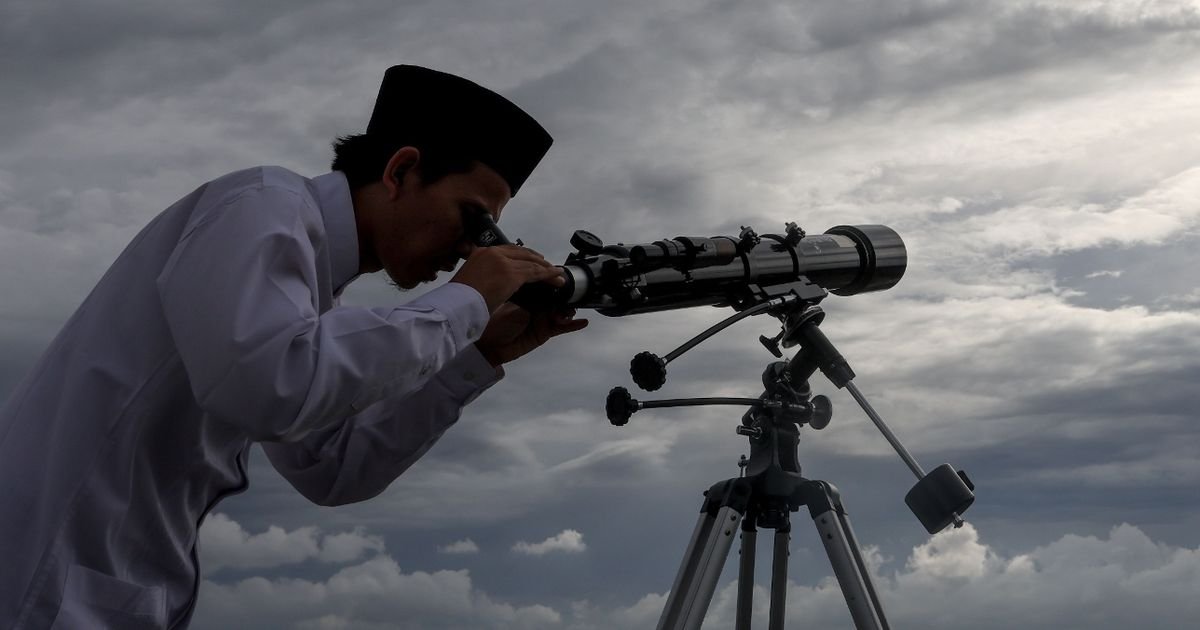

The confirmation of the end of Ramadan is imminent as the observation of the new moon dictates the commencement of Eid al-Fitr. Religious leaders will scan the skies after the Maghrib prayer tonight for the initial crescent of the new moon. Scholars and astronomers will convene to evaluate global sightings.
Eid al-Fitr is projected to occur on Thursday or Friday, based on astronomical forecasts, but the precise date hinges on the official moon sighting. Saudi Arabia initiated its Ramadan festivities a day ahead of most Muslim nations, prompting an early moon sighting compared to others.
The Saudi national calendar has designated Friday, March 20, as Eid al-Fitr 2026, relying on its own astronomical projections. Eid typically kicks off with a morning prayer at a mosque followed by gatherings with family and friends, meals, and gift exchanges. The occasion fosters introspection, forgiveness, and remembrance of departed loved ones.
Many Muslims are anticipated to have already given their Zakat-ul-Fitr or Fitrana donations to feed the needy before Eid festivities. Eid al-Fitr serves as a joyous occasion uniting families and friends, denoting the end of Ramadan, a month of fasting observed globally, and the commencement of Shawwal, the tenth month in the Islamic calendar.
This year, Eid al-Fitr is anticipated to fall on either Thursday, March 19, or Friday, March 20, 2026, contingent upon the moon sighting. The Islamic calendar follows the lunar cycle, causing key dates to shift approximately 11 days forward each year.