

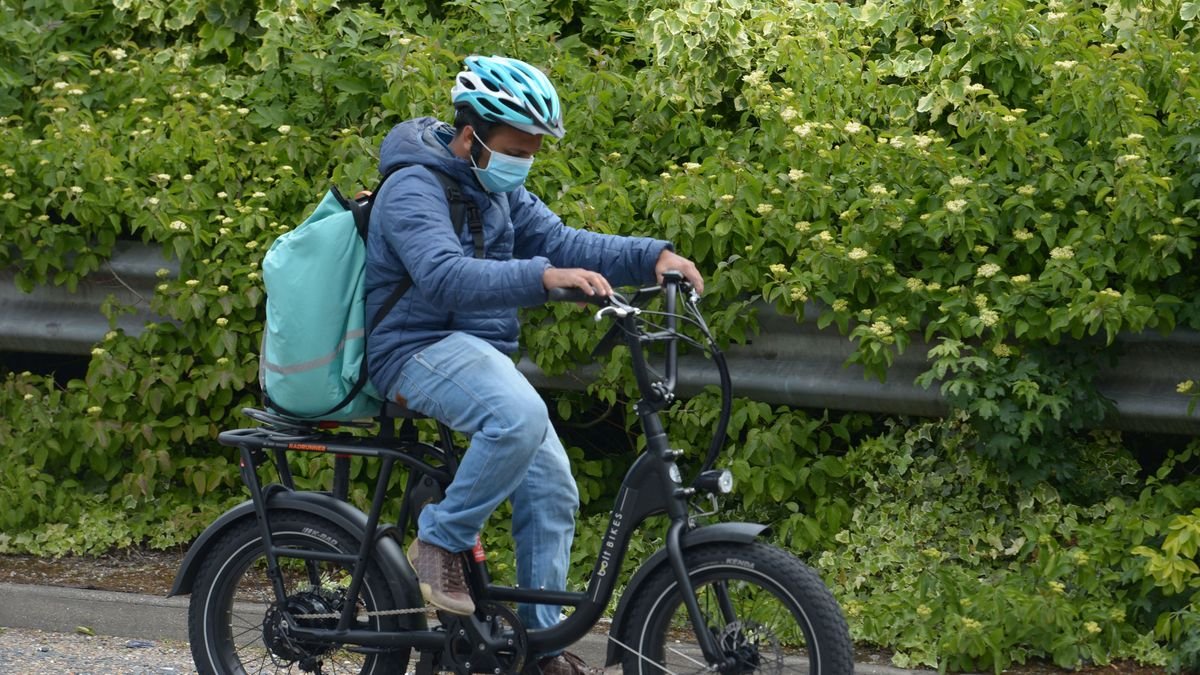

The Department for Transport has issued a recent statement regarding potential legislation to require e-bikes and e-scooters to display number plates. This move is driven by mounting concerns over the increasing number of accidents involving riders and pedestrians, as well as the need to track riders effectively.
Following the Metropolitan Police’s use of facial recognition technology to crack down on the unlawful use of e-bikes for risky riding behaviors and theft incidents, there has been a call for the implementation of number plates on e-bikes and e-scooters.
In response to a query by Liberal Democrat Jess Brown-Fuller, Secretary of State for Transport Heidi Alexander considered the feasibility of introducing number plates for these vehicles. Parliamentary Under-Secretary of State for Local Transport Lilian Greenwood emphasized the necessity of extensive consultation before drafting any new laws.
Greenwood highlighted the challenges associated with implementing a number plate system on e-bikes due to the complexities and costs involved. She mentioned the need for visible and durable registration plates that cannot be easily transferred between cycles. Moreover, she cited a previous review that concluded the drawbacks outweighed the benefits of such a system.
Regarding private e-scooters, their current usage on public roads, cycle lanes, and pavements is illegal. The government has pledged to review legislation concerning micromobility vehicles like e-scooters, potentially including a requirement for number plates. Any proposed regulations will undergo consultation to allow stakeholders to contribute to shaping the new framework.
Metropolitan Police Commissioner Sir Mark Rowley praised facial recognition technology as a significant tool in crime prevention, citing its role in apprehending numerous criminals. The police have been actively seizing e-bikes, especially in response to safety concerns in various London boroughs.
Sir Mark emphasized the efficiency of facial recognition technology in identifying offenders, including those involved in serious crimes. He reiterated the importance of enforcing existing regulations on e-bikes and e-scooters, underlining the strict rules governing their use.
Law enforcement authorities have observed instances of illegal modifications to e-bikes to increase speeds beyond the legal limit, as well as unauthorized alterations to e-scooters. Vehicles exceeding the speed limit are treated as motorbikes, subject to registration, taxation, and insurance requirements, with police seizing non-compliant vehicles.
Once confiscated, illegal e-bikes undergo dismantling, with hazardous components removed and the remaining parts recycled. Efforts are in place to address the misuse of e-bikes and e-scooters, ensuring compliance with safety and regulatory standards.