

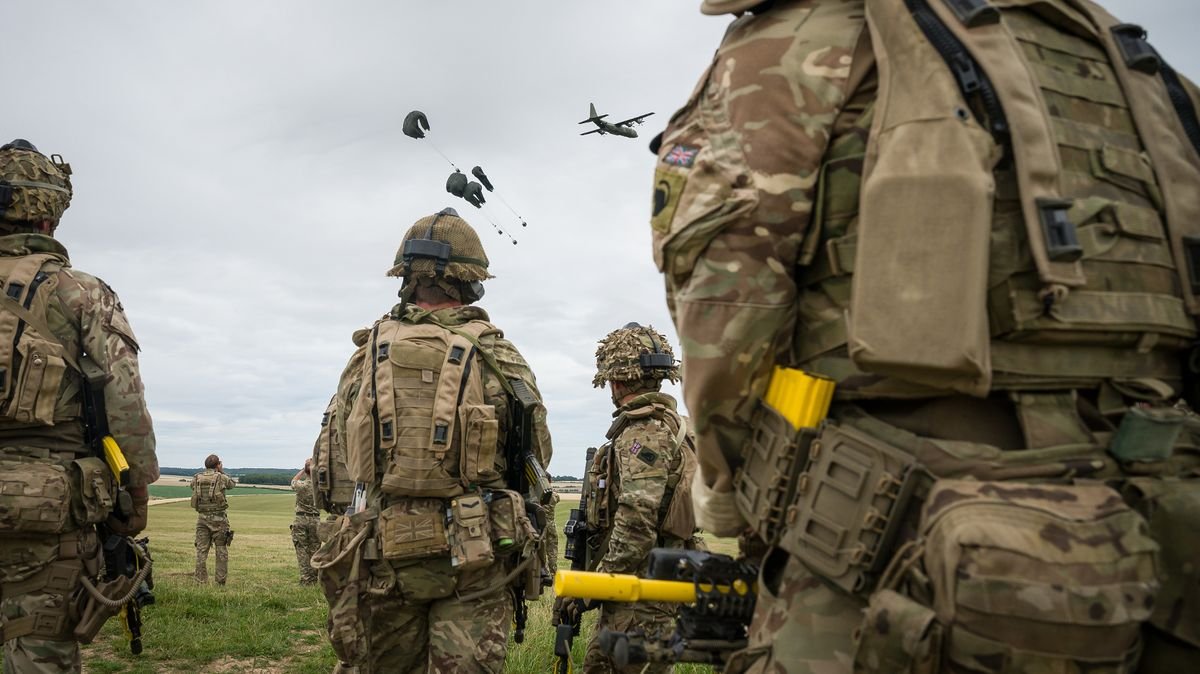

As tensions escalate in the Middle East, experts are cautioning that the repercussions could extend well beyond the battlefield, potentially reshaping daily life in the UK. Professor Anthony Glees has voiced concerns that if the current crisis continues to escalate, it could bring the world closer to a modern version of a global conflict, similar to World War Three.
The impact of such a conflict on the UK could be significant, affecting various aspects including the economy, energy prices, and the potential for conscription. Glees emphasizes that modern warfare in the 21st century would differ greatly from past world wars, with a focus on drones, missiles, and cyber attacks rather than large-scale ground battles.
The ongoing confrontation involving Iran, the United States, and Israel is seen as a risk for potentially evolving into a broader conflict with the involvement of major powers and allies globally. Glees underscores that the conflict already exhibits characteristics of a new kind of global war, emphasizing advanced technology and a potential for long-term duration.
One immediate impact for Britons could be economic, particularly if fighting disrupts critical shipping routes like the Strait of Hormuz, leading to a surge in oil prices. The blockade of this key oil supply channel could have ripple effects on global markets due to its significant role in oil transportation.
Glees warns that sustained price increases could drive oil prices above £75 ($100) per barrel, fueling inflation and impacting household budgets. The knock-on effects may extend to higher fuel costs, increased food prices, and potential setbacks to economic growth plans.
With existing military bases in the region, such as RAF Akrotiri and RAF Dhekelia in Cyprus, the UK could see increased involvement in the conflict, potentially requiring expanded military operations to defend allies and support international efforts.
Glees suggests that in the event of a prolonged global conflict, the UK would need to significantly bolster its armed forces, possibly doubling their size. The expert envisions a modern conscription system similar to those in countries like Sweden and Norway, where all young individuals register for potential military service, but only some are selected.
To incentivize voluntary enlistment, the government may offer benefits such as student debt cancellation, free university education, or subsidized mortgages. These measures could help build a larger reserve force while encouraging participation in national defense efforts.
In the event of further escalation, the UK would likely collaborate with European partners and NATO allies. Glees emphasizes the importance of working closely with European allies, highlighting the need for collective action amid evolving global challenges.
While the possibility of a full-scale global war remains uncertain, experts emphasize the potential for rapid shifts in domestic life due to international crises. Recent incidents, such as the crash of a US military aircraft in Iraq during operations against Iran, serve as reminders of the ongoing tensions and risks involved in the region.