

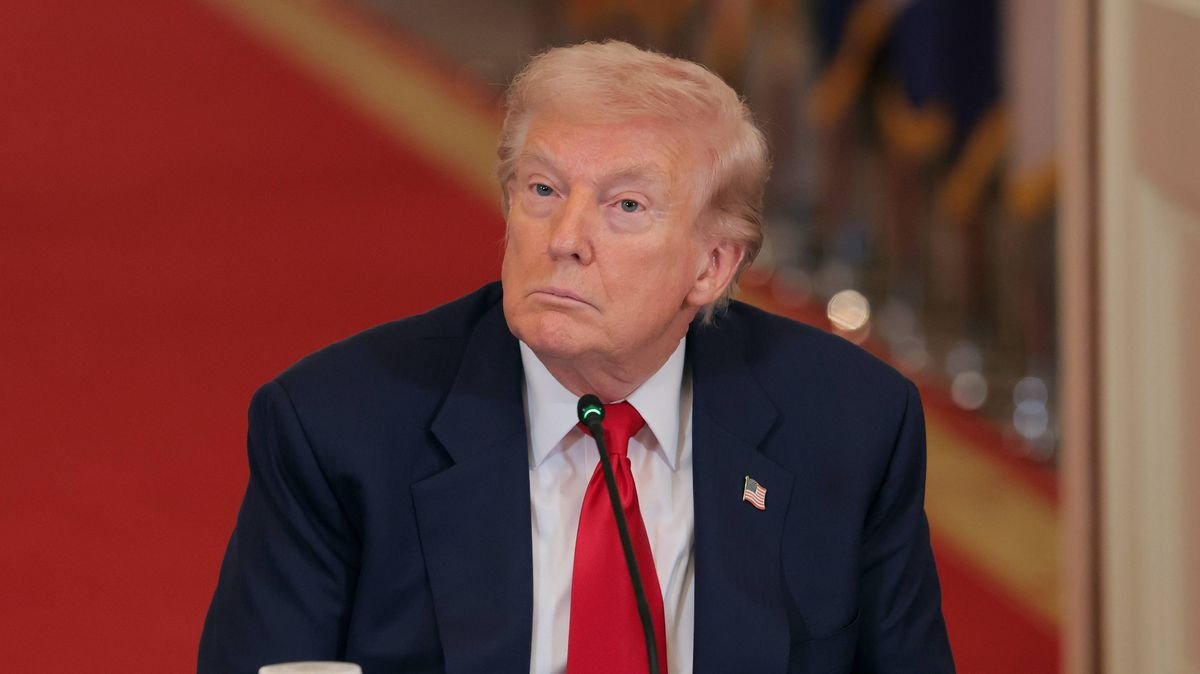

Donald Trump has declined Iran’s request for a ceasefire, dismissing appeals from the United Nations and global leaders. Despite Iran showing willingness for a ceasefire, Trump stated that he rejected the offer due to unfavorable terms. He emphasized that any terms for a deal would need to be robust for the United States to engage in negotiations. When questioned by NBC News about the conditions he would accept to end the conflict, Trump chose not to disclose specifics. However, he acknowledged that Iran would need to renounce any remaining nuclear ambitions to reach an agreement.
During the NBC interview, Trump highlighted Iran’s limited power, primarily the ability to deploy mines or short-range missiles, which he claimed could be swiftly neutralized. He boasted about the effectiveness of US airstrikes in dismantling Iran’s military capabilities, including missiles and drones, and expressed intentions to further target Kharg Island for amusement.
Contrary to Trump’s assertion that Iran sought a ceasefire, the Institute for the Study of War (ISW) reported that neither Iran nor the US were ready to engage in discussions for a ceasefire, despite mediation efforts by Oman and Egypt. The ISW analysis indicated that diplomatic talks to end the conflict had been rebuffed by the Trump administration and Middle Eastern allies.
In the same NBC interview, Trump suggested that Iran’s new Supreme Leader might not be alive, referencing the absence of the anticipated public appearance by Mojtaba Khamenei, son of the previous leader. Speculation arose regarding Khamenei’s whereabouts and health status when he failed to make the scheduled address. Trump insinuated that Khamenei should surrender if alive, questioning his current status. Reports from Tehran hinted at Khamenei sustaining injuries, possibly losing a limb, during a US or Israeli strike, with unverified claims about his medical treatment at a heavily guarded hospital.
Amid conflicting reports on Khamenei’s condition, Iranian state television acknowledged his injuries from recent incidents while officials provided varying assessments of his health. The veracity of the claims remains uncertain due to Iran’s restricted internet access. Foreign Minister Hakan Fidan remarked on Khamenei’s status, indicating he is alive and functional, differing from assertions made by US officials. The appointment of Mojtaba Khamenei as the new Supreme Leader followed the airstrike that killed his father, Ayatollah Ali Khamenei, at the onset of the Middle Eastern conflict.