

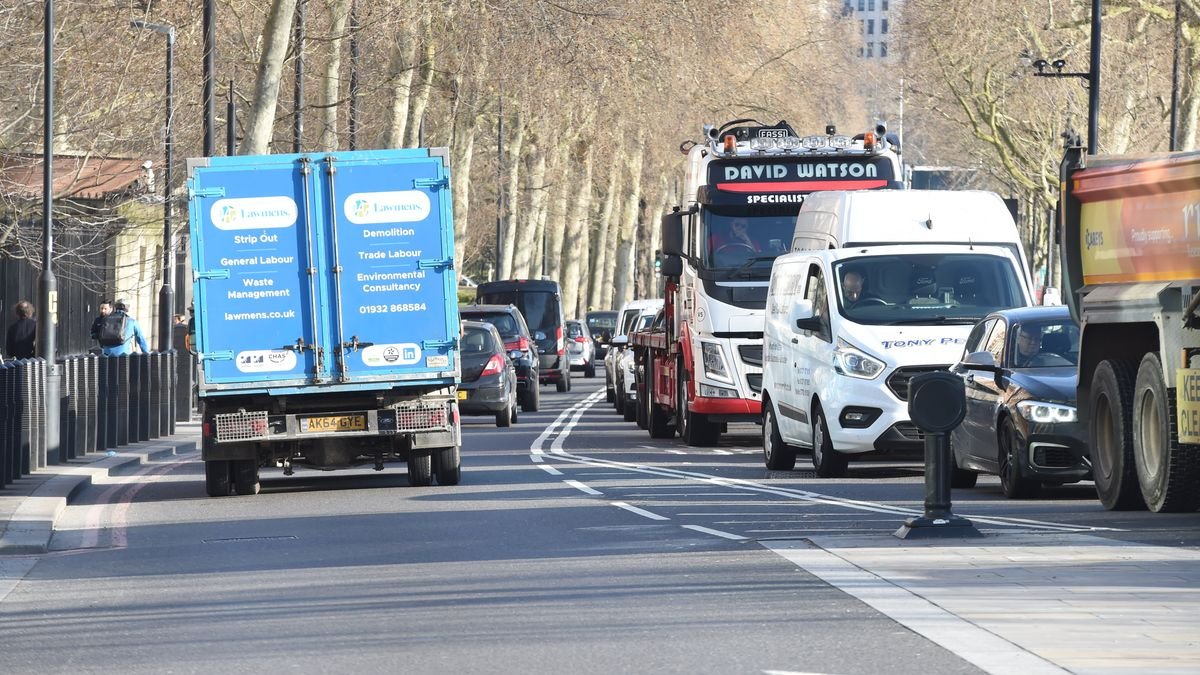

The Government is contemplating new measures that could see fly-tippers receiving penalty points on their driving licenses. Those caught illegally discarding waste from their vehicles could face this consequence, potentially leading to license revocation.
In addition, authorities are encouraging councils to take decisive action against fly-tippers by impounding and crushing their vehicles. Environment Secretary Emma Reynolds emphasized the detrimental impact of fly-tipping on communities and the environment, stressing the need for intervention.
Repeat offenders who flout the law will risk accumulating penalty points on their licenses, with the possibility of permanent revocation. Local authorities are being empowered to combat fly-tipping by employing various enforcement tools, including vehicle impoundment and destruction.
The Department for Environment, Food and Rural Affairs (Defra) disclosed that the average fly-tip is comparable in size to a small van’s rear section. The intention behind introducing license penalties is to deter drivers from engaging in illegal waste dumping along roadsides and scenic areas.
This proposal forms part of a broader waste crime action plan set to be unveiled by the Government. The plan will outline a series of initiatives aimed at curbing offenses related to rubbish, spanning from fly-tipping to large-scale illegal waste disposal sites.
One notorious site near Bicester in north Oxfordshire, where a massive illegal waste pile near the River Cherwell garnered public attention last year, may require until the end of 2026 to clear, as previously indicated by the Government.
Furthermore, ministers are planning to allocate approximately £78 billion to councils in England this year as part of a multi-year funding package. Defra asserts that this funding will assist in addressing challenges such as fly-tipping effectively.