


Downing Street has responded to the recent decision by the US to ease sanctions on Russian oil, with Yvette Cooper accusing both the Kremlin and Iran of trying to manipulate the global economy.
Oil prices have surged to approximately $100 per barrel following Iran’s blockage of the crucial shipping lane, the Strait of Hormuz. In an effort to mitigate the economic impact, US Treasury Secretary Scott Bessent has granted temporary authorization for countries to purchase Russian oil that is already aboard ships at sea.
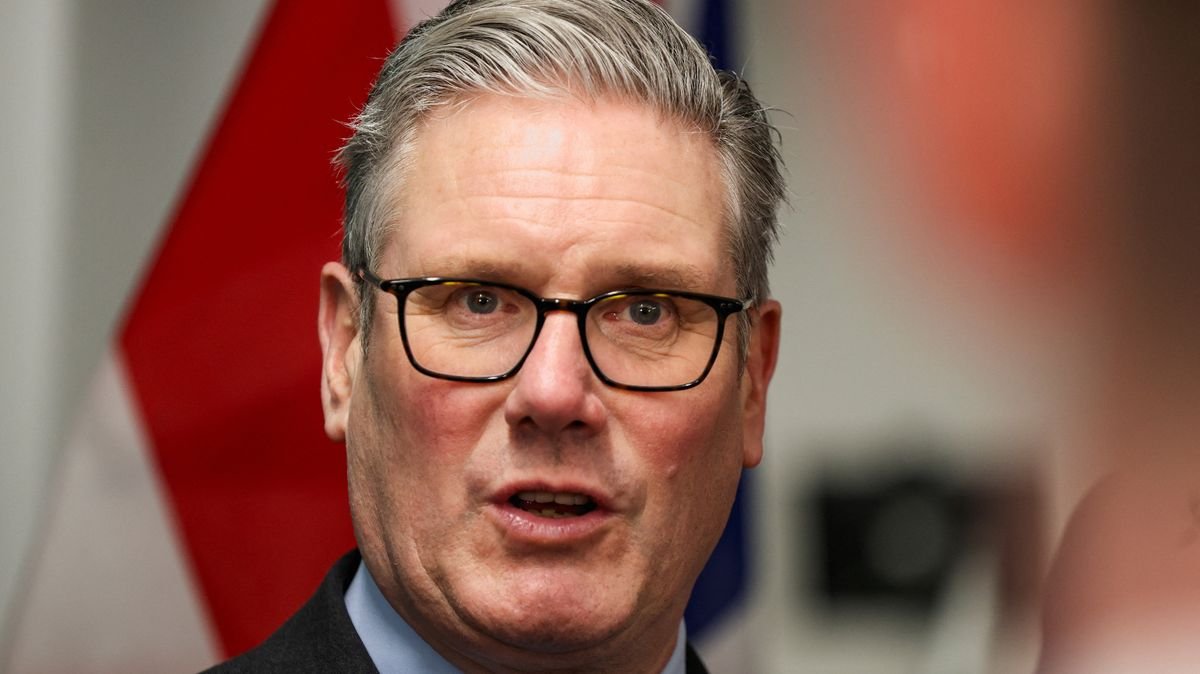
Keir Starmer’s spokesperson emphasized the importance of allies maintaining pressure on Russia and its financial resources to prevent the Kremlin from using this situation to fund its actions in Ukraine. This development further highlights the diverging stances between the UK and the US, as Mr. Starmer previously declined to allow UK military installations to be used in initial strikes against Iran.
When asked about Mr. Starmer’s reaction to the US sanctions decision, the Prime Minister’s official spokesperson stated that while it is a US decision, the UK’s stance is clear: all partners must continue exerting pressure on Russia and its financial capabilities to support Ukraine and prevent further global conflicts.
Regarding the possibility of the UK relaxing its sanctions regime, the Prime Minister’s spokesperson affirmed that the existing sanctions will remain in place, emphasizing the commitment to applying maximum economic pressure.
Energy Minister Michael Shanks underscored the critical nature of the current situation with Russian aggression against Ukraine, emphasizing the importance of maintaining sanctions to prevent further escalation of conflict.
The Foreign Secretary highlighted concerns about the close relationship between the Kremlin and Iran, warning about their collaborative efforts to influence global economic systems and exploit opportunities for mutual gain.
As RAF jets expanded their surveillance to Bahrain to counter Iranian drones, Downing Street confirmed that UK aircraft conducted air defense missions over Bahrain for the first time. Typhoon jets were deployed to defend against potential threats, signaling a broader commitment to safeguarding British interests and partners across various regions.
This move follows increased tensions in the region, with British Typhoon and F35 jets now actively engaged in defending British assets and allies in locations such as Qatar, Cyprus, UAE, Jordan, and Bahrain.