

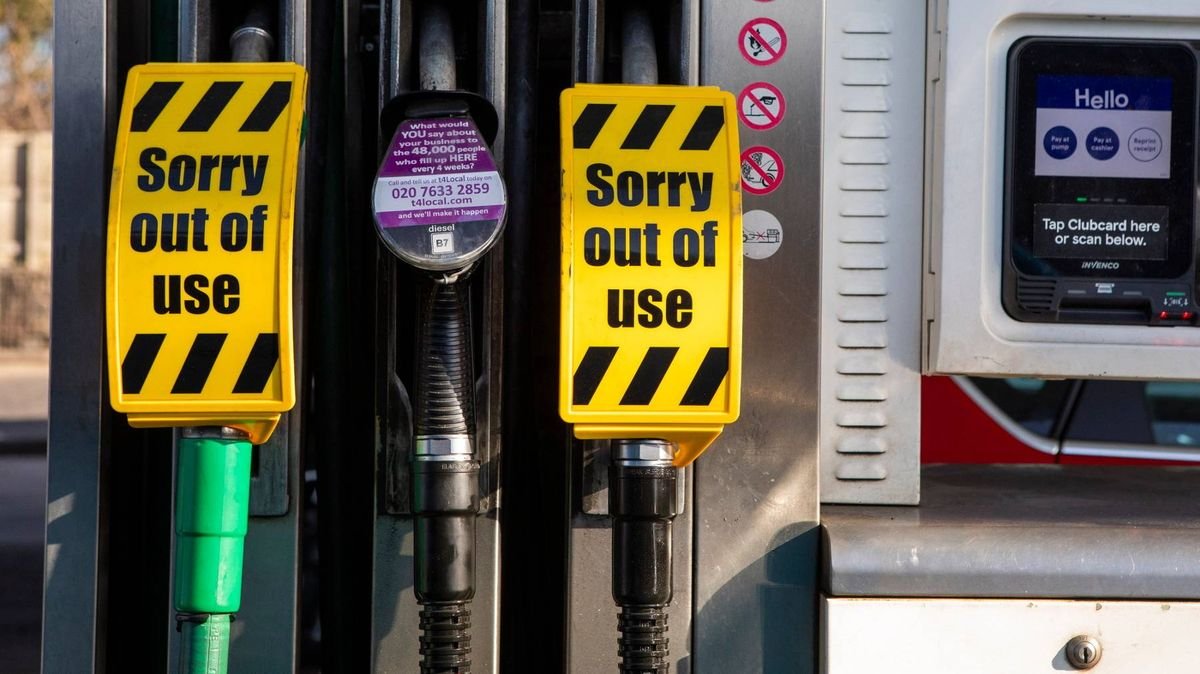

The ongoing conflict in Iran is projected to result in a daily additional expenditure of £15 million for British drivers due to increased fuel prices set by retailers at gas stations nationwide. Over the past few weeks, consumers have witnessed a surge of over 6p per liter in unleaded petrol prices, translating to a £3.30 increase in refueling costs for a typical family vehicle.
Following Iran’s declaration of preventing oil passage through the Strait of Hormuz, the average price of unleaded E10 fuel in the UK is approaching 140p per liter, with diesel costs escalating even faster to slightly above 157p per liter. As a consequence of these price hikes, the daily expenditure on fuel in the UK has risen by £12.9 million since the onset of the Iran conflict on February 28, with estimates suggesting it could surpass £15 million given current trends.
In response to the disruption caused by Iran’s actions in the Strait of Hormuz, fears of supply shortages have emerged, leading to a sharp uptick in global oil prices. The US and Israel have initiated attacks on Iranian ships deploying mines in the strait, prompting the US Navy to announce plans for escorting oil tankers. However, with vessels avoiding risky routes, a return to normalcy is unlikely until the Iran conflict is resolved.
Recognizing the impact of these developments on fuel pricing, the Competition and Markets Authority (CMA) has intensified monitoring of petrol and diesel prices amid the Middle East turmoil. The CMA’s executive director for markets, Juliette Enser, emphasized the importance of ensuring that price hikes reflect genuine cost pressures, pledging to scrutinize and report any concerning pricing strategies by fuel retailers.
Recent data analysis revealed significant variations in price changes among major petrol station operators, with Texaco, Morrisons, and Asda Express implementing varying price hikes. Essar, operating primarily in northwest England, recorded the largest price increase, attributing it to the end of promotional pricing before the Iran conflict. Despite the surge, Essar assured customers of competitive pricing strategies compared to the national average.