

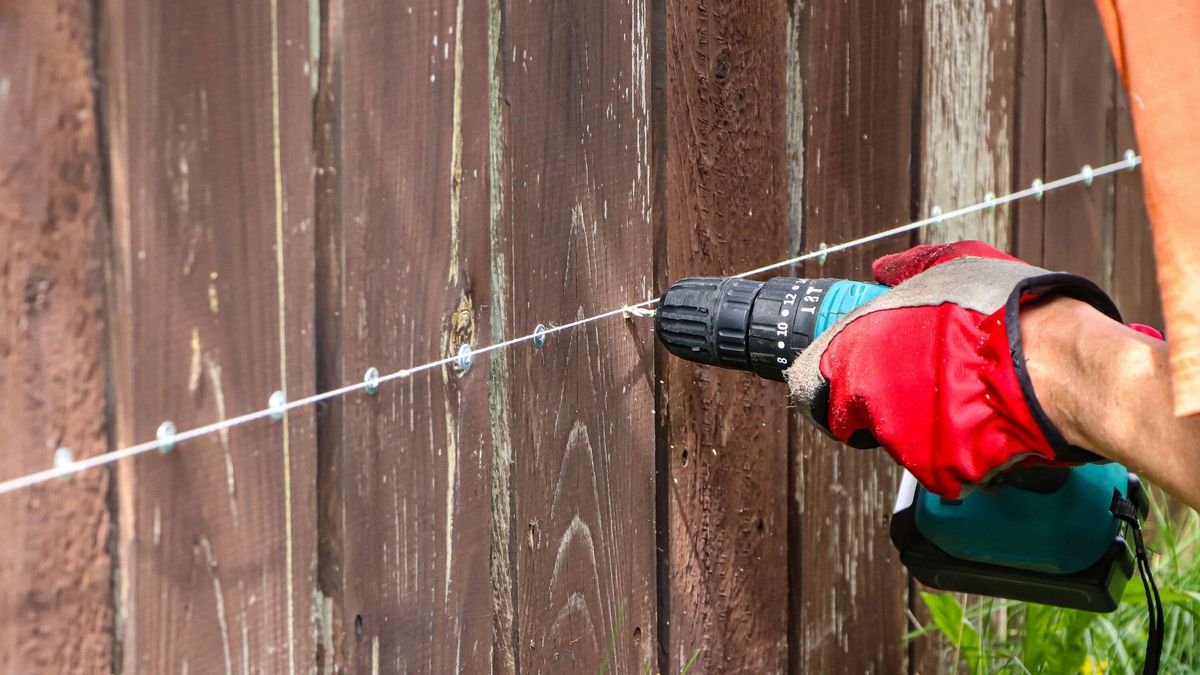

Wildlife experts are advising gardeners in the UK to create small holes in their fences before spring arrives to help hedgehogs, a native species facing threats. Hedgehogs are starting to become active after winter hibernation and would benefit from easy access through fences in gardens.
While drilling holes in fences may not be a favorite gardening task, it can greatly assist hedgehogs. These openings, known as hedgehog highways, provide safe pathways for hedgehogs to move around, find food, and seek shelter away from potential dangers.
Hedgehog highways, which consist of gaps and holes in hedges and fences, offer a secure route for hedgehogs to travel, reducing the risks they face, especially from roads. Wildlife specialist Anton Baskerville emphasized that these corridors help hedgehogs fulfill their essential needs by enabling safe movement between gardens and habitats, ultimately improving their chances of survival.
The hedgehog population in Britain is declining, posing a threat of extinction, mainly due to habitat loss, road accidents, and food scarcity, especially in rural areas. Fortunately, creating a hedgehog highway does not require extensive removal of hedges or fences. Experts suggest making small gaps in garden fences to allow hedgehogs to move freely between connected gardens.
By collaborating with neighbors to establish a network of gardens with marked openings, awareness about hedgehog conservation can be raised. Simple methods like providing a log pile, compost heap, or a sheltered area for hedgehogs to rest, along with offering food and water (excluding milk), can attract these creatures to gardens. Hedgehog biscuits can also be scattered to provide them with treats, and planting leafy trees can further enhance the appeal of the garden to hedgehogs.
In conclusion, promoting hedgehog-friendly environments through hedgehog highways and suitable habitats in gardens can play a vital role in safeguarding these beloved creatures from the threat of extinction.