

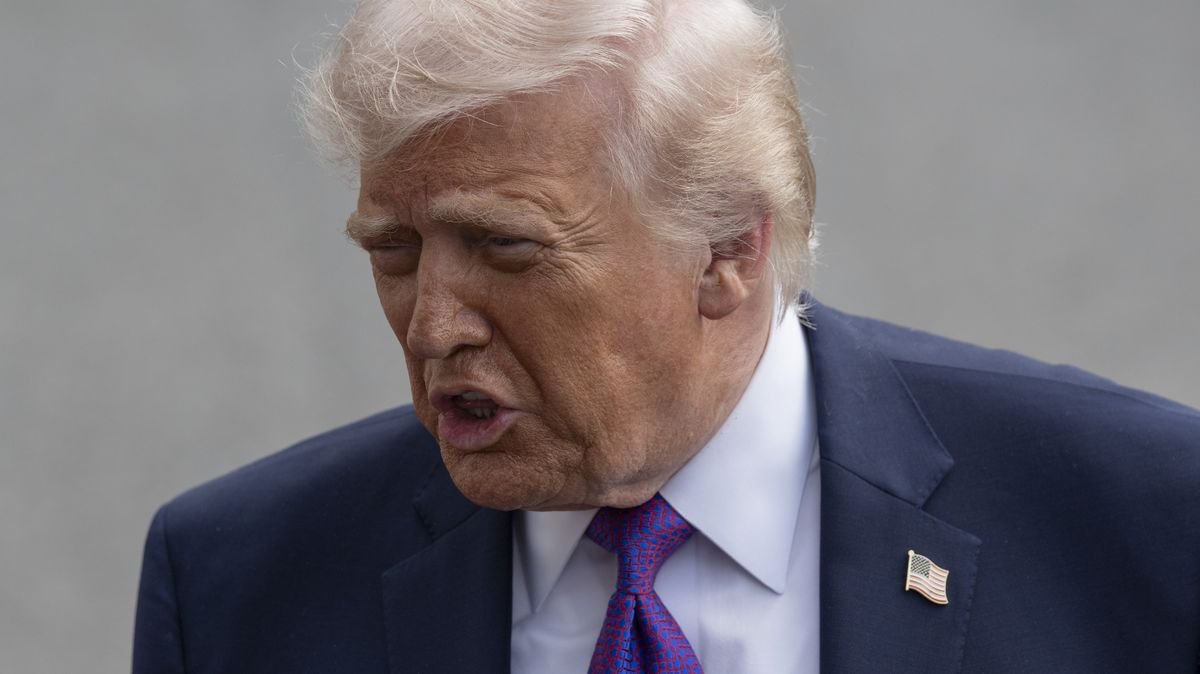

In a recent statement to reporters, Donald Trump indirectly warned Iran’s new Supreme Leader, stating, “We’ll see what happens to them.” Trump downplayed the conflict as a minor engagement for the US, noting that it had been less challenging than expected. He also reassured the public regarding the surging fuel prices caused by the conflict, predicting a forthcoming decrease in oil prices.
Following the appointment of Mojtaba Khamenei as Iran’s new Supreme Leader post the death of his father, Ayatollah Ali Khameni in a US airstrike, Trump initially avoided commenting on the possibility of a victory while Khamenei remained in power. However, during a visit to a factory in Cincinnati, Ohio, Trump issued a veiled threat towards Iran’s leadership, highlighting the US’s elimination of key Iranian figures and hinting at further consequences for the incoming leadership.
Trump praised the military’s swift actions in the conflict, crediting them with surpassing expectations and achieving significant progress ahead of schedule. Emphasizing the US’s impact on Iran, he claimed to have crippled their naval and military capabilities, including hitting their leadership twice. He expressed confidence in the economy’s resilience amidst the crisis, noting that markets were holding up well and anticipating a reduction in oil prices.
When asked about the nature of the conflict, Trump characterized it as both an “excursion” for the US and a war for Iran. The current average petrol price in the US stands at $3.578 per gallon, a considerable increase from the previous month, resulting in concerns for affordability. Trump’s current focus on addressing the cost of living crisis is evident in his ongoing “affordability tour” aimed at connecting with voters and addressing their economic concerns.
The White House announced Trump’s increased travel across the country as part of efforts to address the looming challenges in the upcoming midterm elections and demonstrate a commitment to addressing the nation’s cost of living issues.