

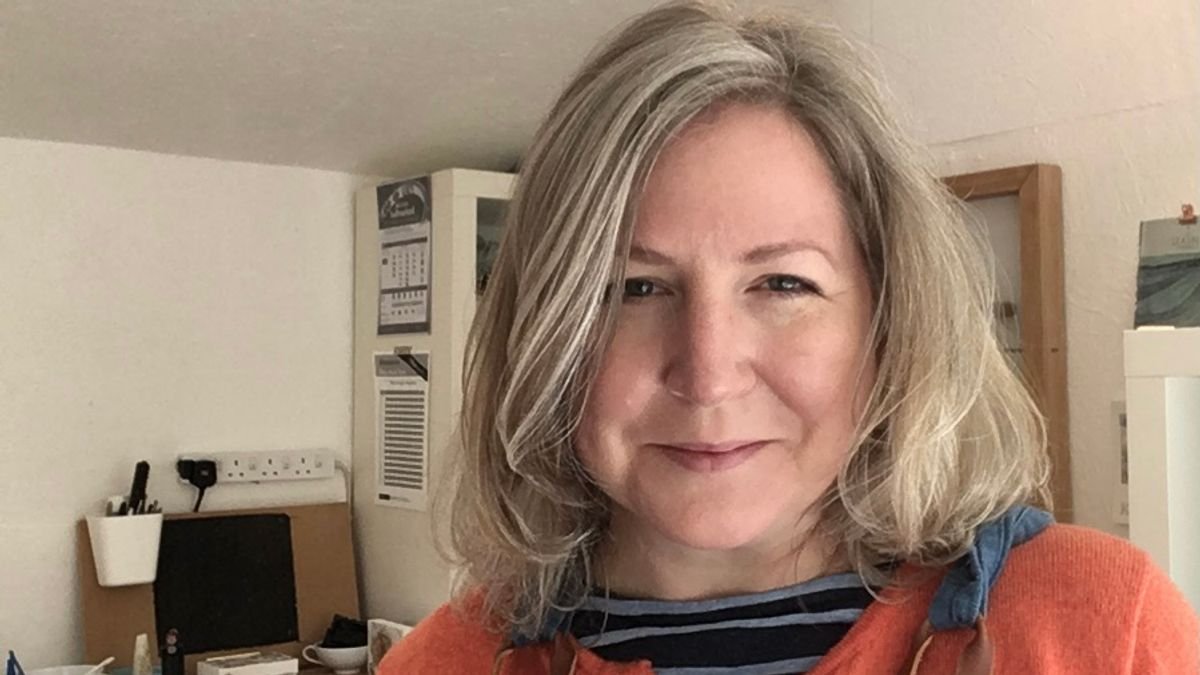

After experiencing an unsettling feeling about her family medical history and a persistent cough, a woman from Somerset is emphasizing the importance of trusting instincts and persisting in seeking medical attention. Melanie Lucas, aged 49, became concerned about her health due to her mother’s death from small-cell lung cancer and COPD. When she first asked her GP for a lung X-ray as a precautionary measure, she was initially dismissed. However, upon returning six months later with a lingering cough, a different doctor’s X-ray request revealed a 5cm tumour in her lung, leading to a diagnosis of neuroendocrine cancer.
Despite initially being told it was advanced lung cancer, further tests confirmed it was neuroendocrine cancer, a slower-growing form. Melanie, who has several small metastases in addition to the primary tumour, was already at stage 4, making her condition inoperable. She has been undergoing oral chemotherapy to manage the tumours and has seen some success in slowing the disease progression.
Alongside medical treatments, Melanie also receives hormone injections and Mistletoe Therapy to alleviate side effects and boost her quality of life. She has had to make adjustments in her career, transitioning from a physical job as a gardener to freelance work due to the lifelong monitoring and treatments required for her condition.
Melanie highlighted the challenges faced by individuals with neuroendocrine cancer, who may appear healthy outwardly but experience internal pain and discomfort due to the nature of the disease. She stressed the importance of self-care practices, such as Reiki, meditations, saunas, and acupuncture, in maintaining a positive outlook and feeling empowered in managing her healthcare.
Having found support through Neuroendocrine Cancer UK, Melanie emphasized the significance of connecting with others who understand the journey of living with this rare cancer. She hopes that by sharing her story, more people will be encouraged to advocate for their health and persist in seeking answers when experiencing concerning symptoms.
If you want to learn more about neuroendocrine cancer, you can visit https://www.neuroendocrinecancer.org.uk/.