

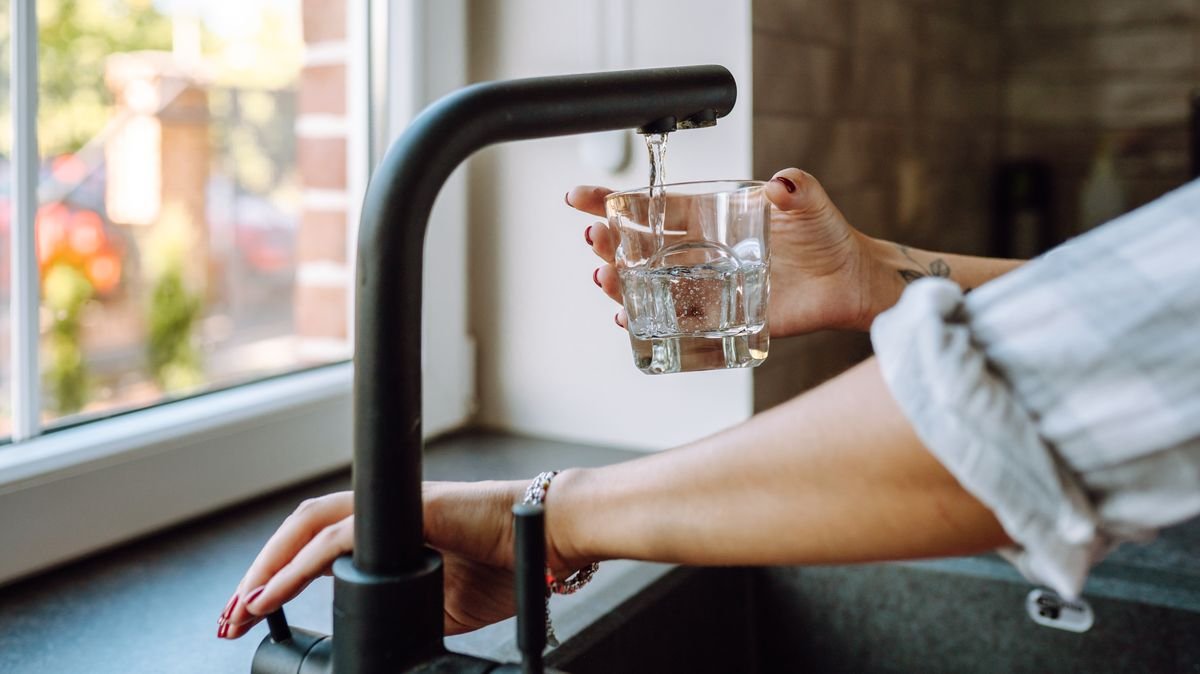

Households in England and Wales are set to face another increase in their water bills in three weeks, adding financial strain for many consumers. From April 1, the average water and sewage bill will rise by 5.4%, equating to £33 more annually, reaching a total of £639. These fluctuations vary significantly depending on factors such as geographical location, water usage patterns, and the presence of a water meter.
This upcoming hike follows a substantial surge last April, where bills spiked by an average of 26%, amounting to £123, bringing the annual bill to £603. Water companies justify these increases as necessary to address the long-standing underinvestment in the country’s aging water infrastructure. Critics, however, argue that the industry has inflated prices excessively while distributing substantial dividends since the privatization era initiated by former Prime Minister Margaret Thatcher in the late 1980s, resulting in companies burdened with over £80 billion in debts.
Recent scrutiny has intensified on the water sector following the airing of Channel 4’s documentary “Dirty Business,” shedding light on the industry’s poor track record regarding sewage discharges. Unlike other services, consumers do not have the option to switch water suppliers easily. Nonetheless, there are strategies available to help reduce costs, with over two million households currently benefiting from social tariffs, the WaterSure scheme, and other affordability initiatives.
Each water company offers a social tariff scheme designed to assist low-income individuals in reducing their bills. However, eligibility criteria and the level of support provided vary among companies. Advocacy groups like Independent Age advocate for a national water social tariff in England and Wales to standardize financial aid for individuals of all ages facing financial hardship due to water bills.
The WaterSure scheme limits bills for low-income households on means-tested benefits requiring high water usage due to specific medical conditions or a high number of dependents. Eligible medical conditions include Crohn’s disease, ulcerative colitis, and others. Recent government announcements propose expanding the scheme’s eligibility criteria, potentially benefiting an additional 53,000 low-income households by early 2027, funded through a £1.14 levy on other water customers.
For households in England and Wales, water bills are still calculated based on the property’s rateable value from 1990. While new homes are equipped with water meters, existing properties can request meter installations. Consumers are advised to assess whether switching to a water meter would be cost-effective using online tools provided by water companies. Implementing water-saving strategies like collecting and reusing water can also lead to cost savings, particularly for those on metered billing.
Judith Howard, a 78-year-old resident of London, shared her struggles with high water bills, emphasizing the need for a national water social tariff to alleviate financial pressure. Her story reflects the challenges faced by many individuals grappling with escalating water costs.