

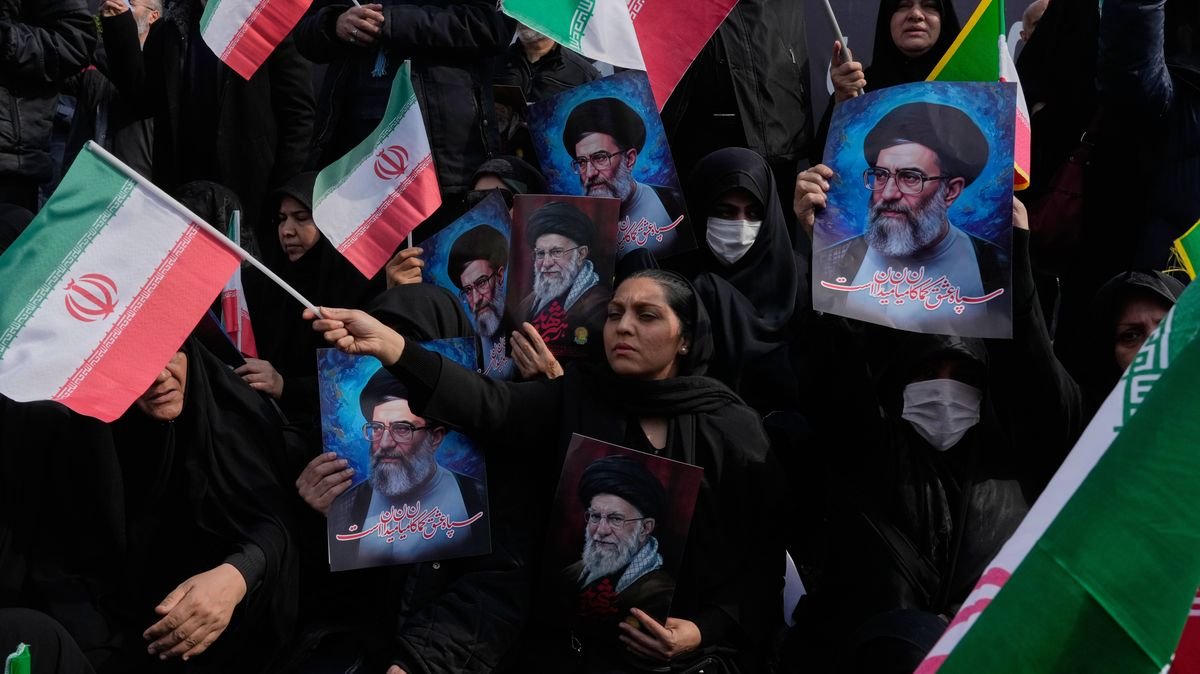

The UK government has taken the unprecedented step of banning a scheduled pro-Palestinian march on Sunday to prevent potential public disorder in London. Home Secretary Shabana Mahmood granted the request from London’s Metropolitan Police to prohibit the annual Al Quds Day march following concerns over its perceived support for the Iranian regime. The organizers of the march have shown solidarity with Iran’s late leader Ayatollah Ali Khamenei, who initiated Al Quds Day to express backing for Palestinians and opposition to Israeli, Western, and Zionist influences.
In announcing the ban, Ms. Mahmood emphasized the necessity of averting serious public disturbances due to the large-scale protest and planned counter-protests amid the ongoing Middle East conflict. She warned that strict conditions would apply if a stationary demonstration were to proceed and emphasized the importance of upholding the law to prevent any spread of hatred or division during protests.
The Islamic Human Rights Commission (IHRC), responsible for organizing the protest, has maintained that the demonstration is always peaceful and good-natured. This marks the first time a protest march has been prohibited since 2012. The Metropolitan Police highlighted past instances where Al Quds Day marches led to arrests related to supporting terrorist groups and engaging in antisemitic behavior.
Amid growing concerns, both Labour and Conservative MPs had called for the march to be banned. Court minister Sarah Sackman stated that individuals supporting the Iranian regime should not be advocating hate and hostility in London. The decision was welcomed by the Campaign Against Antisemitism, who viewed it as a positive step to prevent the promotion of extremist views in the country.
Despite objections and disappointment from the IHRC and its supporters, the ban on the Al Quds Day march reflects the government’s commitment to maintaining public safety and preventing potential violence and disorder during protests.