


A revised strategy for introducing digital identification has been revealed following opposition to the initial plans. Last September, Keir Starmer proposed mandatory digital ID cards for verifying work eligibility as part of efforts to combat illegal employment. However, the scheme was scrapped due to backlash from activists and lawmakers concerned about privacy and civil rights.
The renewed policy now highlights the advantages of digital accounts in facilitating interactions with public services, similar to online banking convenience. The Prime Minister’s chief secretary, Darren Jones, confirmed that employers will still need to conduct digital right-to-work checks by the end of the current Parliament. However, employees will have the option to use a government digital ID, a passport, an E-visa, or an alternative method.
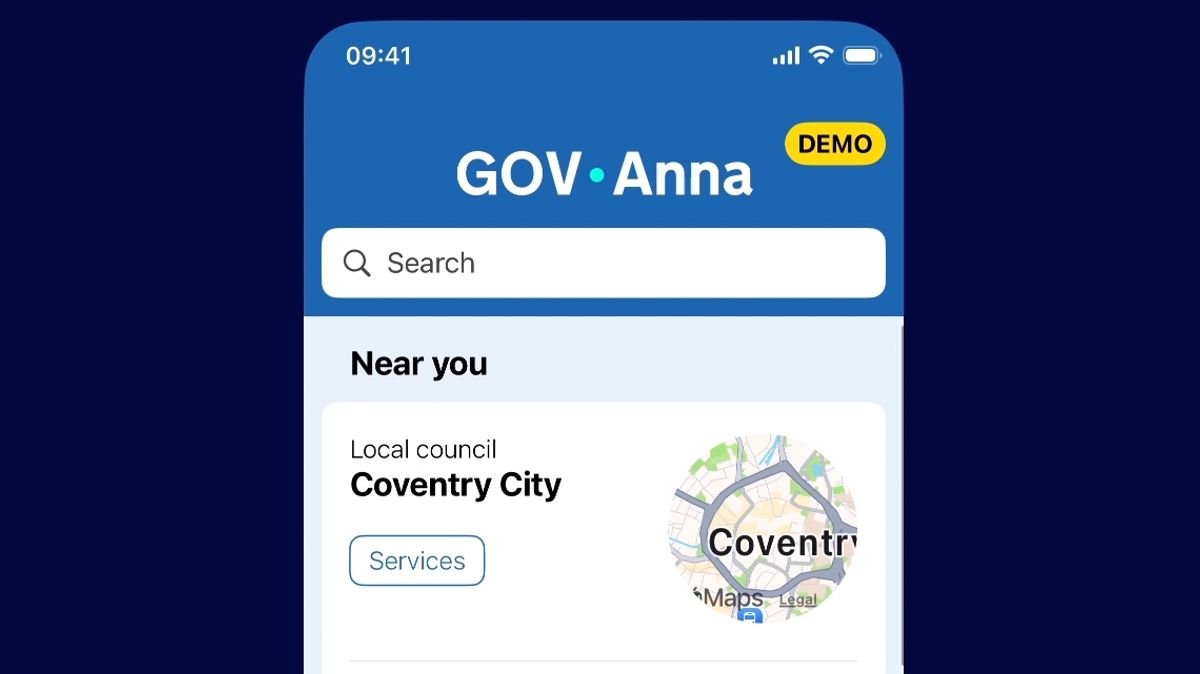
During a press briefing at Downing Street, Jones showcased a prototype of a “Government by app” concept supported by digital ID technology, to be developed internally by the Government Digital Service. He emphasized that the voluntary digital ID could be used for tasks such as renewing vehicle tax, managing childcare benefits, checking bin collection schedules, or verifying identity at polling stations. Additional services will be gradually incorporated, excluding healthcare functions retained within the NHS app.
Jones expressed the desire to enhance individuals’ interactions with public services, aiming to simplify processes and enhance efficiency. He reassured the public that support would be provided for those less familiar with technology or preferring alternative methods. The implementation of digital ID is expected to streamline services, resulting in cost savings for taxpayers by improving operational efficiency.
Notably, the DVLA currently processes 45,000 letters daily, the Department for Environment, Food and Rural Affairs employs 500 different paper forms, and HMRC manages over 100,000 phone calls per day. While the budget watchdog estimated a £1.8 billion cost over three years for the project, Jones suggested potential savings amounting to “billions.”
An eight-week consultation period has been initiated, including a “people’s panel” comprising 100 individuals from diverse backgrounds to gather public feedback on the contentious plans. Details such as the name of the digital ID, its appearance, and the minimum age requirement will be determined through the consultation process. Legislation will be introduced post-consultation, with the app slated for implementation for right-to-work checks by 2029.