

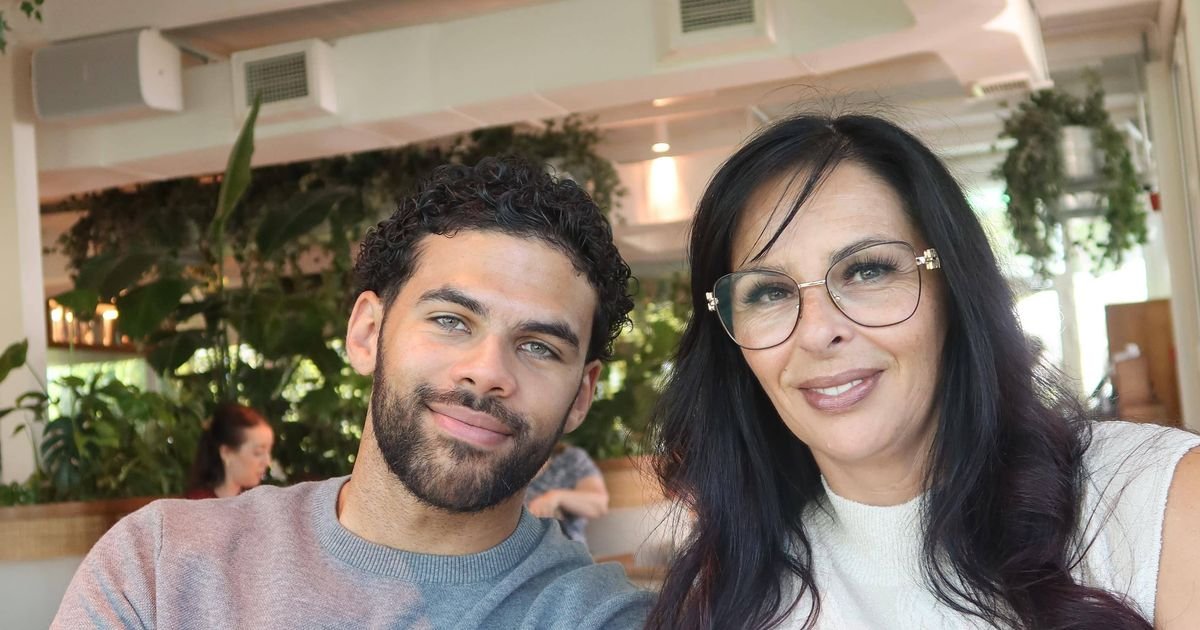

A former Love Island contestant, Maxwell Samuda, has spoken out about a health crisis impacting him and his family. Samuda attributes his reproductive health issues to exposure to diethylstilbestrol (DES), a pregnancy medication his grandmother took years ago. His mother, Natalie Samuda, and grandmother, Maureen Day, also believe their health problems, including breast cancer and autoimmune disorders, stem from the medication.
Samuda, a 26-year-old who appeared on ITV’s ninth series, labeled the situation a “scandal” and joined calls for a thorough public inquiry. DES, a synthetic form of estrogen given to women from the 1940s to the 1970s, aimed to prevent pregnancy loss, reduce breast milk production, and ease menopausal symptoms.
DES Justice UK (DJUK) estimates that about 300,000 women received DES, leading to fertility issues, reproductive abnormalities, and increased cancer risks. The drug was linked to specific types of cancer, prompting US authorities to advise against its use in pregnant women in 1971. However, it continued to be used in Europe until the late 1970s.
In addition to cervical and vaginal cancers, DES is associated with breast, pancreatic, and cervical cancers. Mrs. Day, residing in Herne Bay, believes she received DES in the early 1970s. She took the drug during her second pregnancy to prevent miscarriage and later to stop breast milk production after a premature birth and loss of her child.
Mrs. Day was diagnosed with breast cancer four years ago. Natalie Samuda underwent surgeries due to pre-cancerous cells in her cervix, fluid accumulation in her fallopian tubes, and a full hysterectomy last year. She also battles multiple autoimmune conditions.
Samuda, employed in finance and living in Dubai with his mother, emphasized the importance of addressing men’s health issues openly. He urged men to seek medical attention promptly when they notice any abnormalities, emphasizing the significance of discussing reproductive health.
The family supports DJUK’s call for a public inquiry and compensation for DES victims. Mrs. Day expressed regret over taking DES and highlighted the need for justice and compensation for those affected. DJUK, with over 500 members, met with UK Health Secretary Wes Streeting to push for a public inquiry into what they term a “silent scandal” and for an NHS screening program to identify individuals at risk due to DES exposure.
Compensation schemes for DES victims are available in the US and Netherlands but not in the UK. The Department of Health and Social Care acknowledged the lack of awareness among healthcare professionals about DES’s impacts and pledged to provide support and guidance to those exposed to the drug.
Health Minister Dr. Zubir Ahmed met with DES campaigners to explore ways to assist women affected by DES exposure and enhance research on the drug’s long-term effects.