

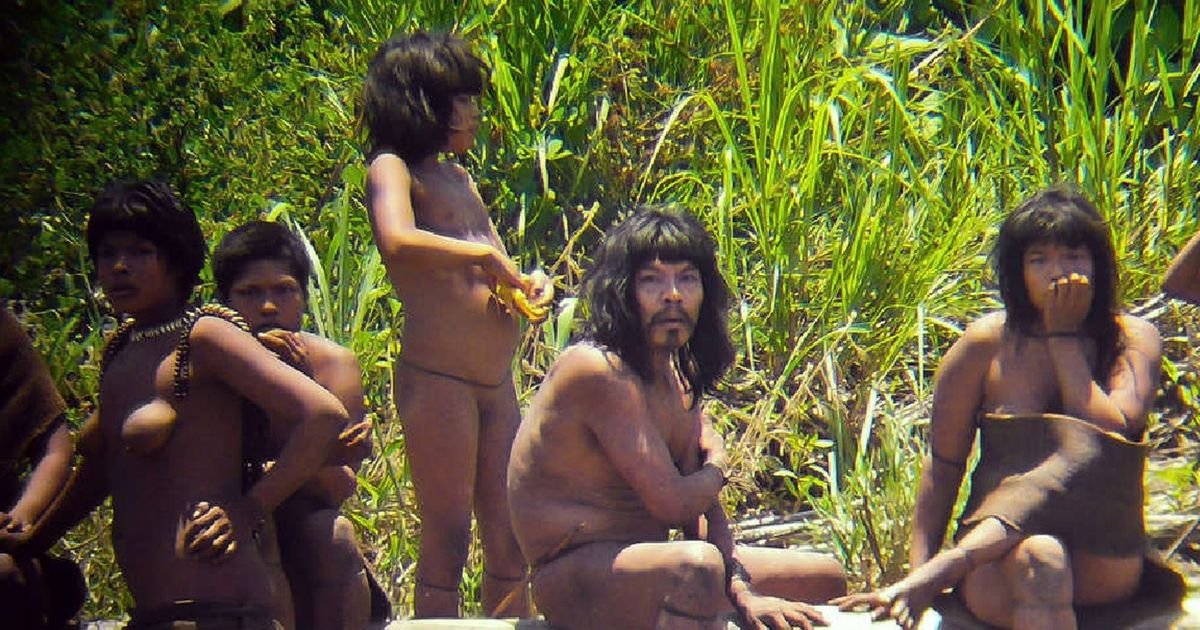

In the heart of the Amazon rainforest, there exists a secluded group known as the Mashco-Piro tribe. These indigenous people, considered the world’s largest uncontacted tribe, dwell in a primitive manner reminiscent of ancient times. The tribe members, also referred to as Cujareno or Nomole people, lead a nomadic lifestyle as hunter-gatherers within the Manu national park. Despite their isolation from modern society, they are acutely aware of the threats posed by deforestation.
Situated in the Madre de Dios region of Peru, the Mashco-Piro tribe has remained detached from the outside world, except for occasional sightings near their territory. Recent reports indicate that the tribe faces significant pressure from the logging industry, endangering their traditional way of life. Footage captured near logging concessions revealed glimpses of the reclusive community, raising concerns about their safety and well-being.
Deforestation remains a pressing issue in Peru, with vast swathes of forests being illegally cleared each year. Companies like ‘Canales Tahuamanu’ have extensive timber concessions in the region, contributing to environmental degradation and encroaching on the Mashco-Piro tribe’s habitat. The tribe’s presence has also been noted in neighboring Brazil, where they seek refuge from loggers operating in Peru.
The clash between loggers and the Mashco-Piro people recently turned fatal in the Madre de Dios region, leading to casualties and disappearances. Authorities are investigating the incident, highlighting the ongoing tensions between indigenous communities and commercial interests in the region. Despite the violence and threats they face, studies have shown that the tribe members exhibit remarkable cardiovascular health, attributed to their traditional lifestyle and diet rich in natural foods.
The Tsimane people of the Bolivian Amazon, known for their exceptional cardiovascular health, provide a striking example of the benefits of a subsistence lifestyle. Their low prevalence of heart disease has been linked to their active daily routine, plant-based diet, and minimal exposure to risk factors prevalent in modern societies. The contrast between the Tsimane’s health and that of industrialized populations underscores the potential benefits of adopting elements of their lifestyle to improve overall well-being and reduce the risk of heart disease.