


The oil price has reached levels not seen in more than a year due to the conflict in the Middle East, causing increased hardship for UK motorists and leading to higher fuel prices. Both petrol and diesel costs have escalated following military actions between the US, Israel, and Iran, resulting in disruptions in the Strait of Hormuz, a crucial oil supply route. The RAC reported a 2.5p per litre increase in petrol prices and a 3p per litre rise in diesel prices since the conflict began.
The surge in oil prices, reflected in the cost of a barrel of oil, is expected to impact pump prices as well. The RAC’s head of policy, Simon Williams, predicts that petrol prices may reach up to 136p per litre, given the current oil price of over $81 per barrel. Diesel prices are rising at a faster rate compared to petrol.
Before the conflict, petrol was priced at 132.83p per litre and diesel at 142.38p on February 2, 2026. Despite the war starting the next day, fuel prices remained stable. However, prices have gradually increased following the surge in oil prices, with petrol reaching 135.20p per litre and diesel at 145.66p per litre.
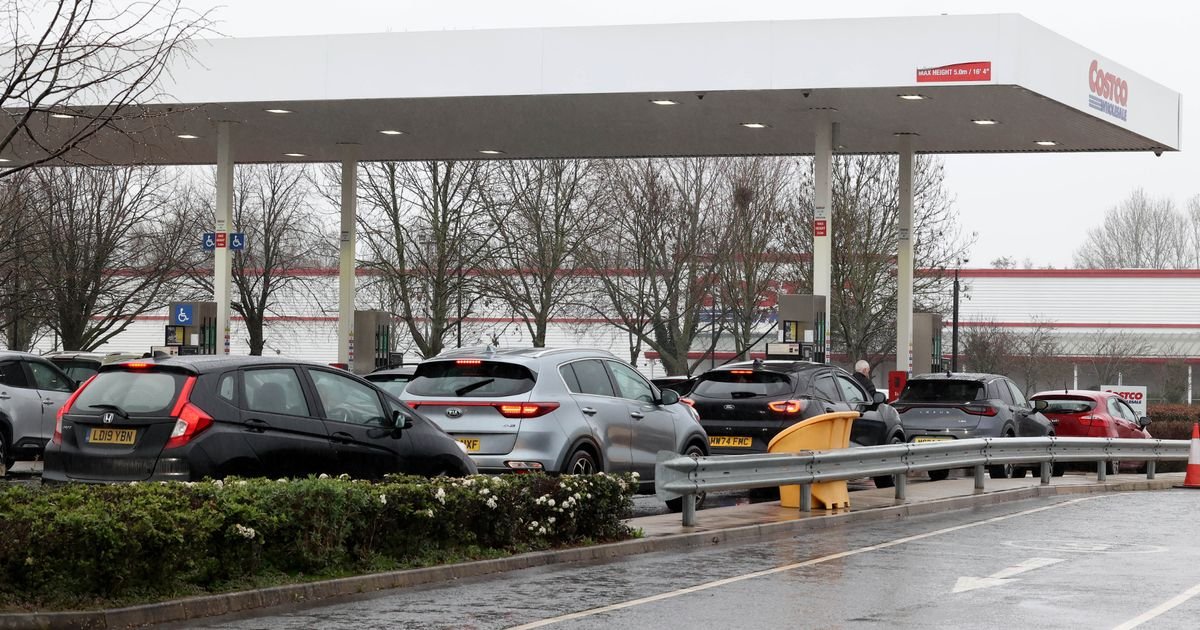
The UK average petrol price stands at 135.20p per litre, with motorway service areas charging an average of 158.87p per litre. The highest reported price was 169.9p per litre at an Asda in Bothwell. Long queues were seen at petrol stations nationwide as concerns over fuel supply grew. Some stations faced fuel shortages due to market forces and supply issues.
Amid the rising oil prices, petrol stations have been cautioned against profiteering. The AA has advised drivers not to deviate from their refueling routine, as prices are expected to increase in the coming weeks. Edmund King, president of the AA, emphasized the importance of fuel efficiency and highlighted the government’s fuel finder pump-price transparency to help drivers find the best fuel prices locally.