

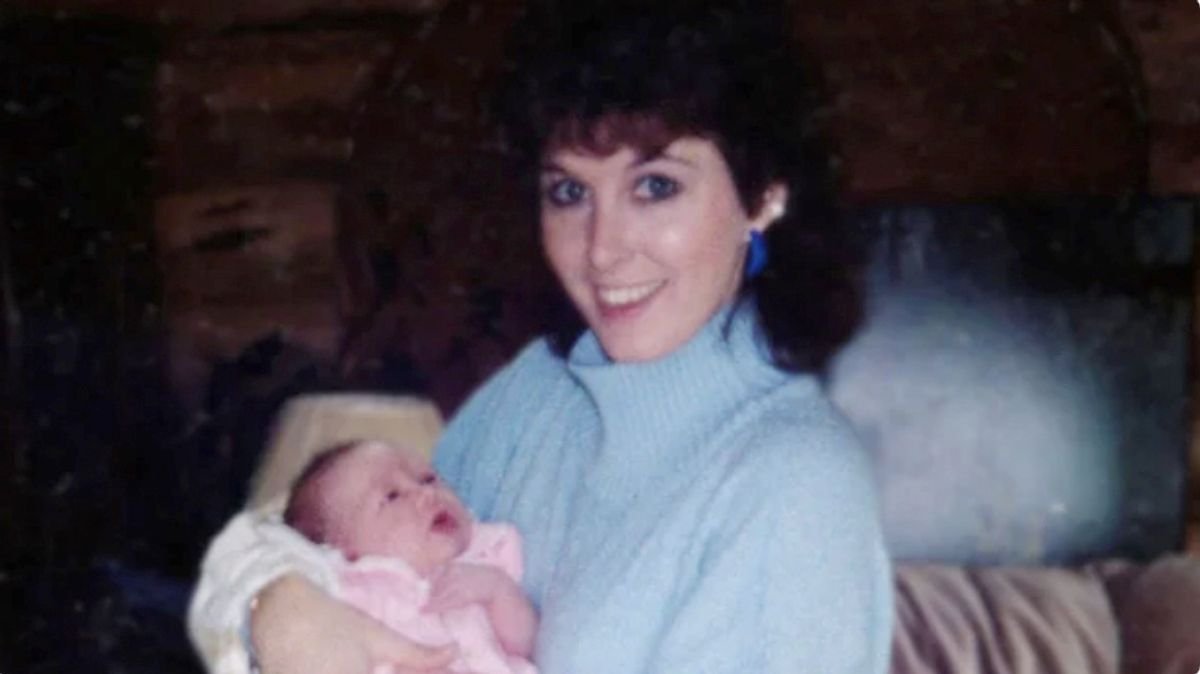

Deborah Atrops embarked on a fresh chapter in her life, having recently welcomed a baby girl through adoption. However, her joy was short-lived as her marriage to Robert Atrops crumbled within months, leaving her to navigate life as a single mother. The couple, known to friends as Debe and Robert, tied the knot in June 1987 after a brief courtship. Robert, a salesperson for construction products, and Deborah, employed as a secretary and bookkeeper, expanded their family by adopting an eight-month-old daughter. Despite the outward appearance of a happy family, Deborah confided in coworkers about the challenges in her marriage, leading to their separation in June 1988.
Following the split, Deborah relocated to her own apartment in Salem, Oregon, approximately 30 miles from Robert’s residence. She assumed the role of the primary caregiver for her daughter and gradually started rebuilding her life. Engaging in a new relationship with a colleague named John Pearson, Deborah found moments of happiness. On the evening of November 29, Deborah left work for a hair appointment at 5 pm, leaving her daughter in the care of a babysitter as usual. Robert was responsible for picking up their daughter. Deborah departed the salon around 7 pm in her black Honda, intending to collect her daughter from Robert’s home, an eight-mile drive away. However, she never arrived, according to Robert.
Concerned for Deborah’s welfare around 9:30 pm, Robert contacted the police after unsuccessful attempts to reach her through friends and family. The police suggested he retrace the route she would have taken, given the foggy conditions that evening. Despite several calls to the police indicating he had not located Deborah, Robert did not disclose their separation, raising suspicion among law enforcement. Furthermore, he did not attempt to contact Deborah’s apartment, a conspicuous omission.
In the early hours of December 1, police responded to reports of a suspicious vehicle at a remote construction site in Beaverton. Deborah’s car was discovered parked near a wooded area on a dead-end road, devoid of license plates, with frosted windows and unlocked with the keys inside. Tragically, Deborah’s lifeless body was found in the trunk, having been strangled to death. Although there were no signs of sexual assault, her clothing and the vehicle indicated attempts to conceal evidence by wiping them clean.
Living five miles away from the crime scene, Robert initially received the news calmly, contrasting with his repeated calls to report Deborah missing. Subsequently, a murder inquiry was launched, involving interviews with Deborah’s boyfriend and Robert. While the boyfriend provided an alibi and passed a polygraph test voluntarily, Robert declined to take the test and sought legal representation.
Investigators discovered inconsistencies in Robert’s account, as phone records did not corroborate his claims of contacting friends and family. Subsequently, they theorized that Robert had disposed of Deborah’s car and body while making false reports to authorities. Despite efforts to trace payphone calls, forensic limitations hindered connecting Robert to the crime. The case stalled, allowing Robert to remarry and raise his daughter.
In 2022, advanced testing linked soil samples from Deborah’s coat to Robert’s property. Although DNA evidence on the coat’s collar did not definitively implicate Robert, it could not be ruled out. Contradicting Robert’s assertions, evidence suggested Deborah had visited his residence shortly before her demise. Additionally, the construction site where Deborah’s body was located had ties to Robert’s professional past, prompting renewed scrutiny.
Subsequent interrogations revealed Robert’s contradictory statements regarding his phone calls on the night of Deborah’s disappearance, leading to his arrest in March 2023, 34 years after the tragic event. At his 2025 trial, testimonies highlighted marital discord and Deborah’s fears of violence from Robert. Despite mounting evidence against him, Robert maintained his innocence, emphasizing inconsistencies in witness statements and technological limitations at the time.
Following a three-week trial, Robert, now 70, was convicted of second-degree murder, closing a 37-year-old cold case. Sentenced to life imprisonment with a possibility of parole after 25 years, Robert’s daughter continues to support his innocence while unanswered questions linger about that fateful night. Despite Robert’s denial, the jury’s verdict of guilty provided closure to Deborah’s untimely demise.